
Our Autumn Journey
Autumn 1 Curriculum and Homework web
year 6 autumn 1 curriculum web.pdf
Autumn 2 Curriculum and Homework web
year 6 autumn 2 curriculum web.pdf
English - Autumn 1 - Rose Blanche
In English this half term, we are focussing on the book 'Rose Blanche' which links to our History topic of WW2.
We first introduced the story by looking at the images from the book. We were challenged to see if we could use noticing skills and inference skills to put the images in the order we thought they were in.
Since then, we have read the book and explored some of the tricky vocabulary, alongside exploring the book, focussing on developing our reading comprehension skills by answering questions.
We have now explored some new grammatical elements that we are working to put in our final pieces of writing, including 4 new sentence types:
- The more, the more --> The more the children begged for food, the more my heart filled with guilt.
- 3 X --- --> Exhausted, tired and devastated, the children in the camp looked at Rose like she was their only hope.
- Some; others --> Some of the children in the camp were crying for more food; others were huddled next to the hut clutching their stomachs.
- Show; tell --> The children's clothes were ragged and thin, strips of cloth were falling around their ankles; they had been wearing the same clothes for months.
We have now written our end of unit piece of writing - a setting description of the scene in the book where Rose discovers the camp. The children have been challenged to include lots of our learning from this half term in their writing to really showcase their skills!
English - Autumn 2 - Pig Heart Boy
During this half term, our English learning will follow the book 'The Pig Heart Boy' by Malorie Blackman. This will link to our Science learning about the heart and circulatory system.
Through our reading phase we delved deeper into our new text. We made predictions about the story from a range of different front covers and a word cloud with key words.
I hypothesise that the story is about a 13 year old boy who lives near a farm and makes friends with a pig.
I predict that the young boy gets a disease and needs a new heart. I think that the pig is his friends and gives him the heart.
From this we delved into chapter 1 and 2 of the book. We listened carefully to the chapters and recorded words that we did not understand or that we needed more information on. From here, we created a bank of vocabulary to help us understand some of the tricky concepts from the story.
We then read more of the book and practised our reading skills in preparation for the SATs at the end of the year. We focussed on the following reading roles:
- Being a translator - vocabulary questions
- Being a reporter - retrieval questions
- Being a detective - inference questions
We then delved into the characters of Cam and his parents. We worked in small groups to identify and explain the emotions each character would be feeling during key events from the story.
When Cam is diagnosed with the infection and discovers he needs a new heart, his parents would feel devastated because he is their only child and they can't do anything to help him.
Cam would feel very anxious about needing a new heart because the transplant list is long and he might not get one.
Finally, we imagined we were news reporters interviewing Cam and inferred how he would respond to the questions we posed.
Following our reading phase, we moved into the toolkit phase in order to focus on all of the grammar and punctuation required to write some great diary entries.
We studied:
- Pronouns and relative pronouns
- Passive and active voice
- Parenthesis
- Modal verbs
- Subjunctive form.
In our writing phase we put ourselves into Cam's shoes to produce two diary entries; the first was from Cam's perspective when he was chosen for the experimental procedure and the second when he woke up from the operation.
Lots of us were able to use all of the reading skills to truly bring Cam to life through our diary entries and we look forward to publishing them later in year 6!
History
Our learning this term is linked to World War 2.
We began our learning by using a 'Let's say' to introduce the topic. We imagined a town in 1939 - a prosperous British town in the north of England. We spent time researching and discussing how life and our town/homes would be different to what we have now. We then worked as a whole class to create our very own version of the town with a factory in the middle!
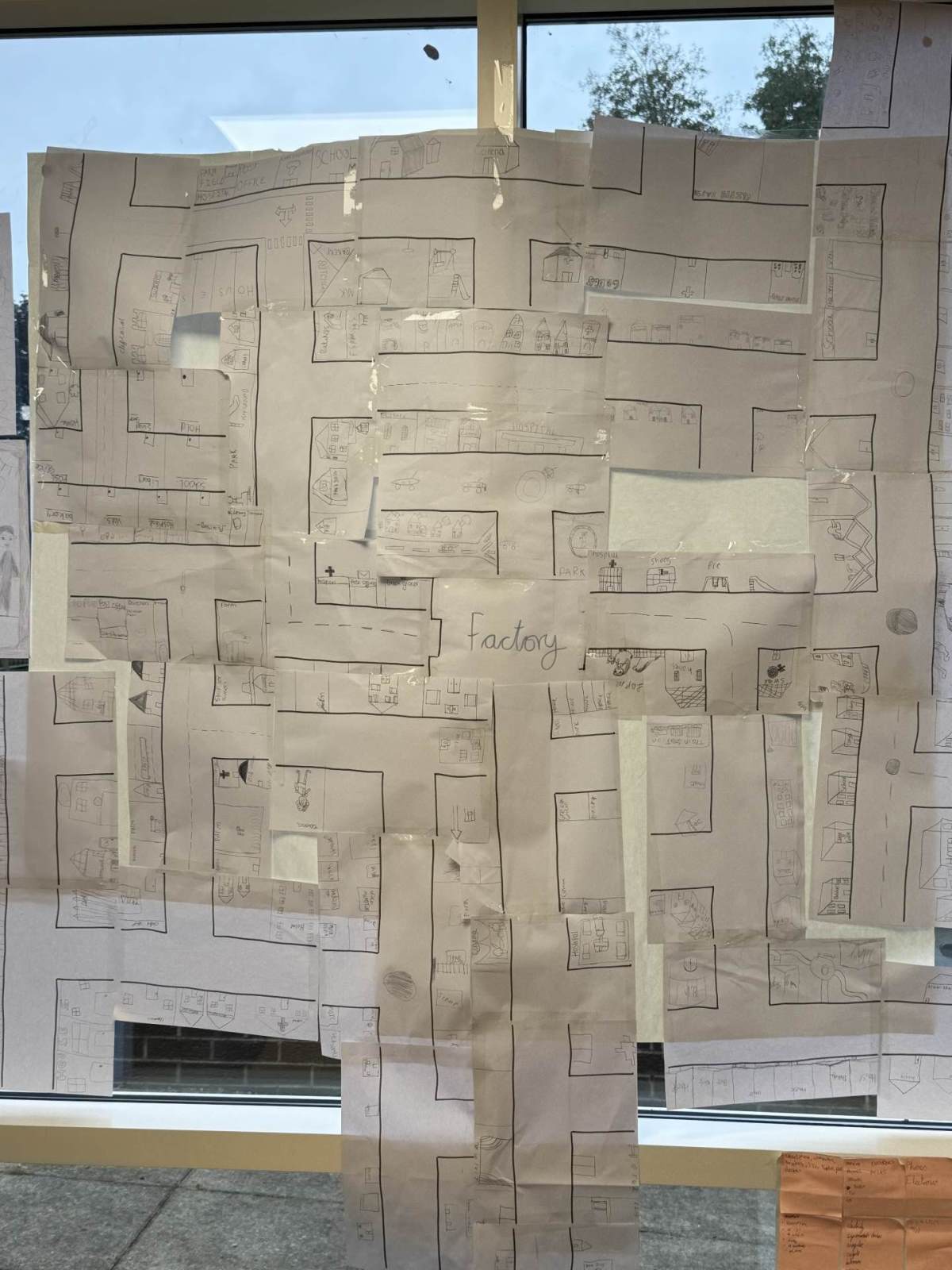
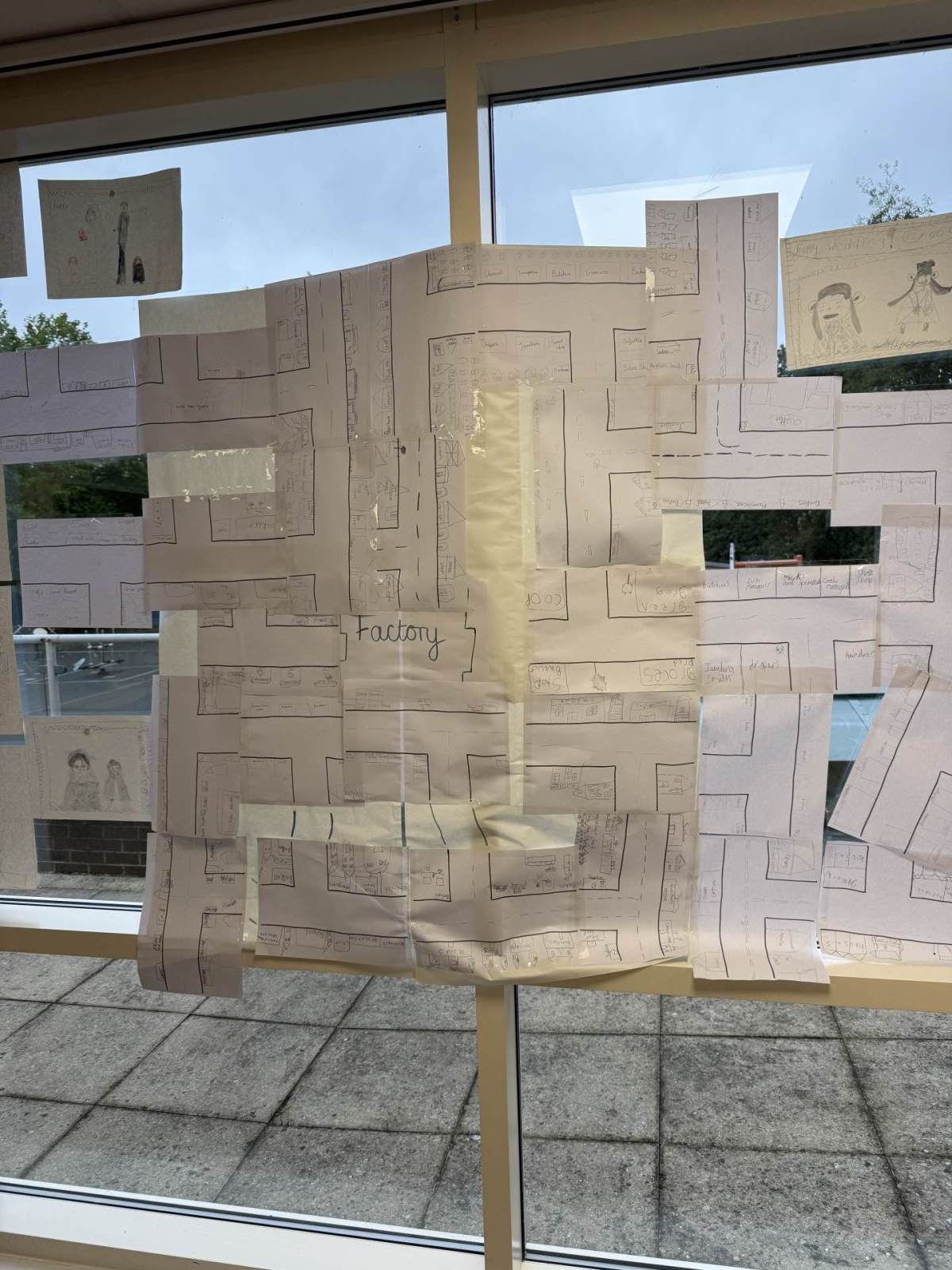
We then dove into one of the houses in our town and met a family who lived there during 1939. We discussed what their lives would be like and what their home would look like. We then created portraits to represent the family's past and the key events that they will have experienced.
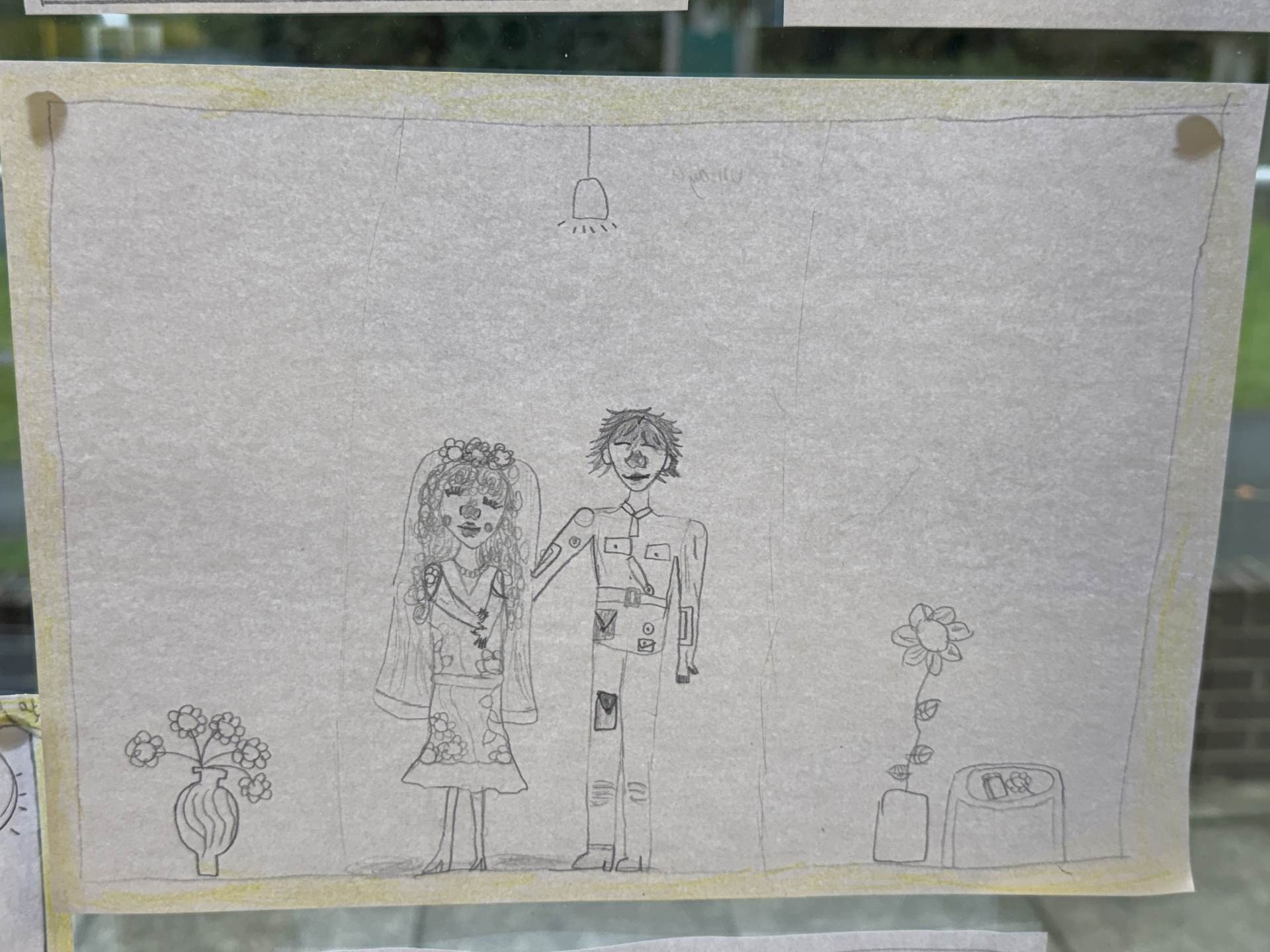
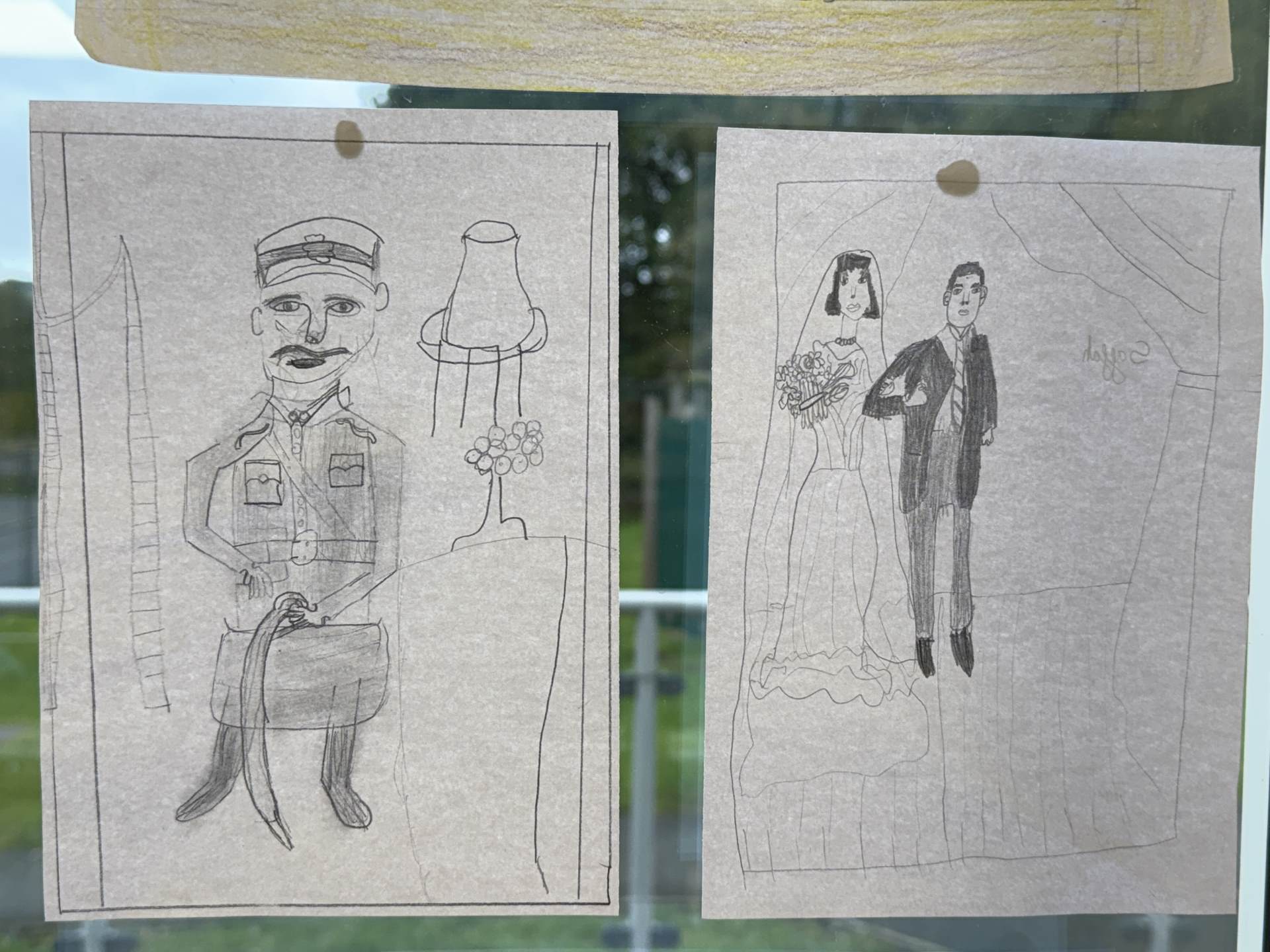
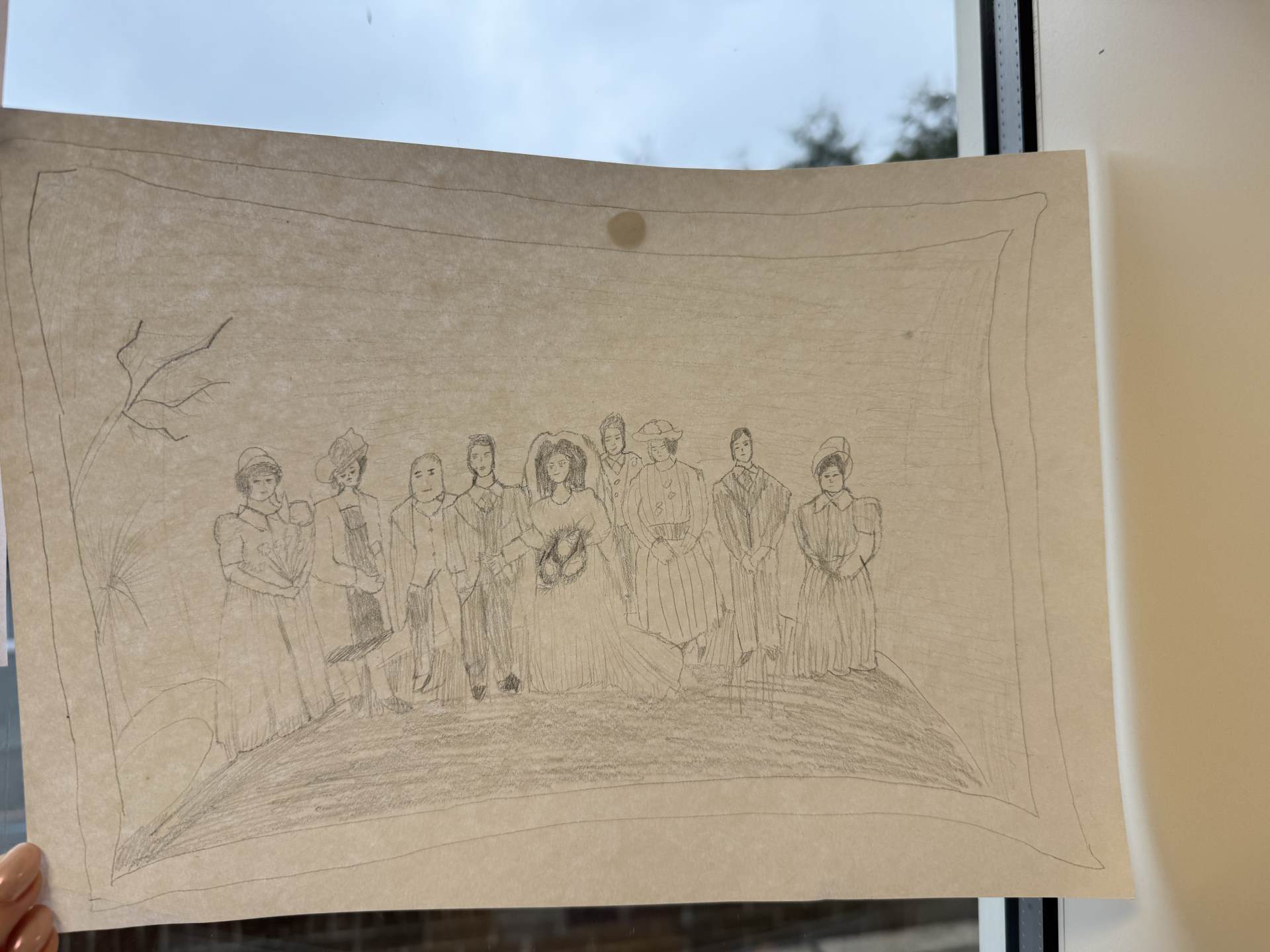
We then began to encompass the idea of WW2 into our family's life. We imagined that we were the family, listening to Neville Chamberlain's announcement of war and considered what we would think, feel and say to one another following the announcement.
When I heard the news I felt devastated knowing that my children's lives would be changed forever.
All I could think was that before this moment my son was going to work with his father in the factory and now he will have to fight in a war.
In our next two lessons, we spent some time focussing on the key events from throughout World War 2. We explored key people and what happened on specific dates throughout this time. We worked as a class to make a timeline of the war, and also worked independently to complete a summarising challenge: we were only allowed to use 50 words to describe the events of each year of the war!
Our next lesson was another 'let's say'. We introduced a new family to our WW2 universe and explored their lives a little. Our new family was from Germany and their son was sent to fight in the battles in France. From this we dug deeper into the Battle of Dunkirk and explored how both our British and German family members were feeling at this time. We discussed how they were linked to feel the same emotions, even being on opposite sides of history.
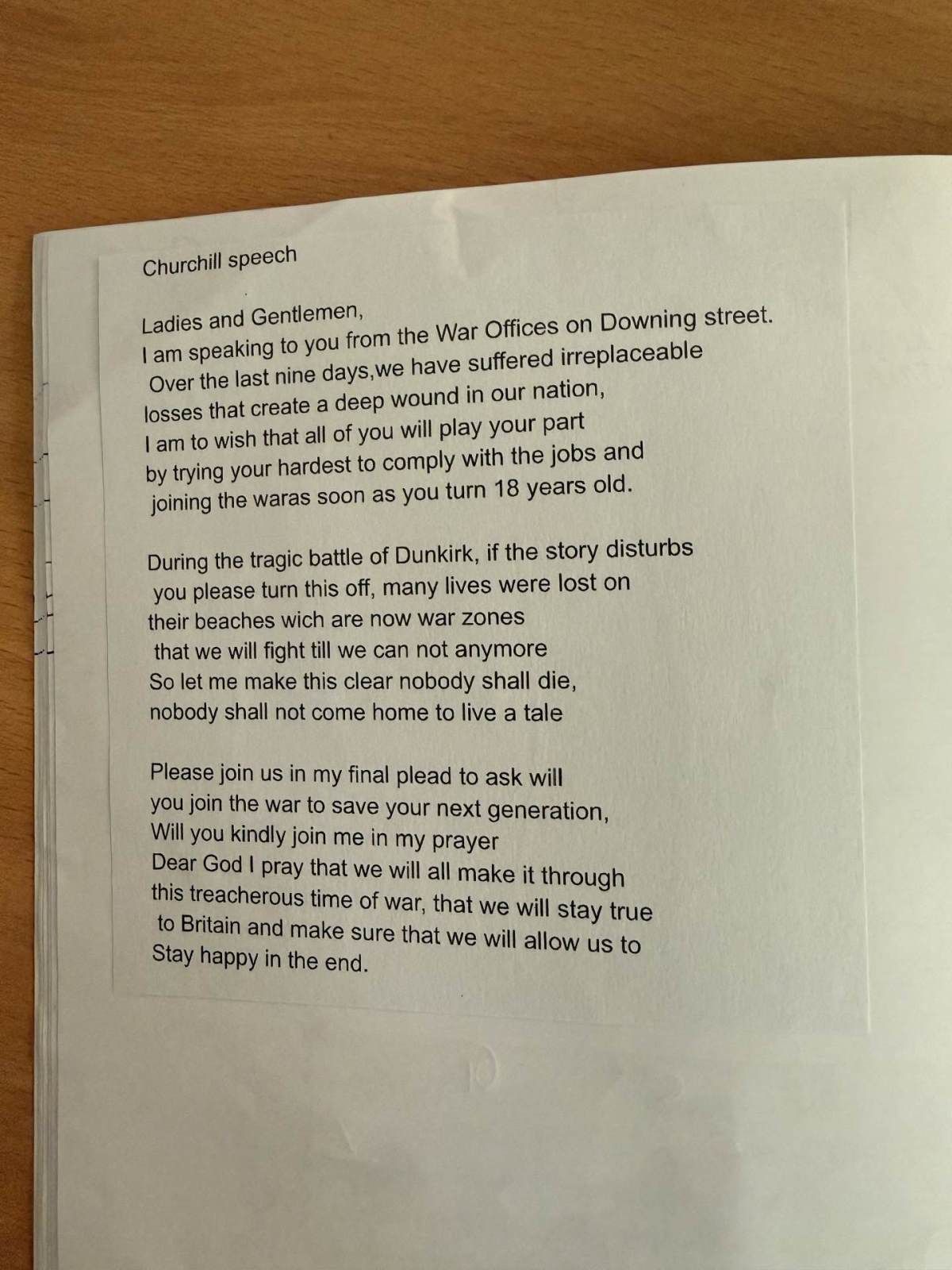
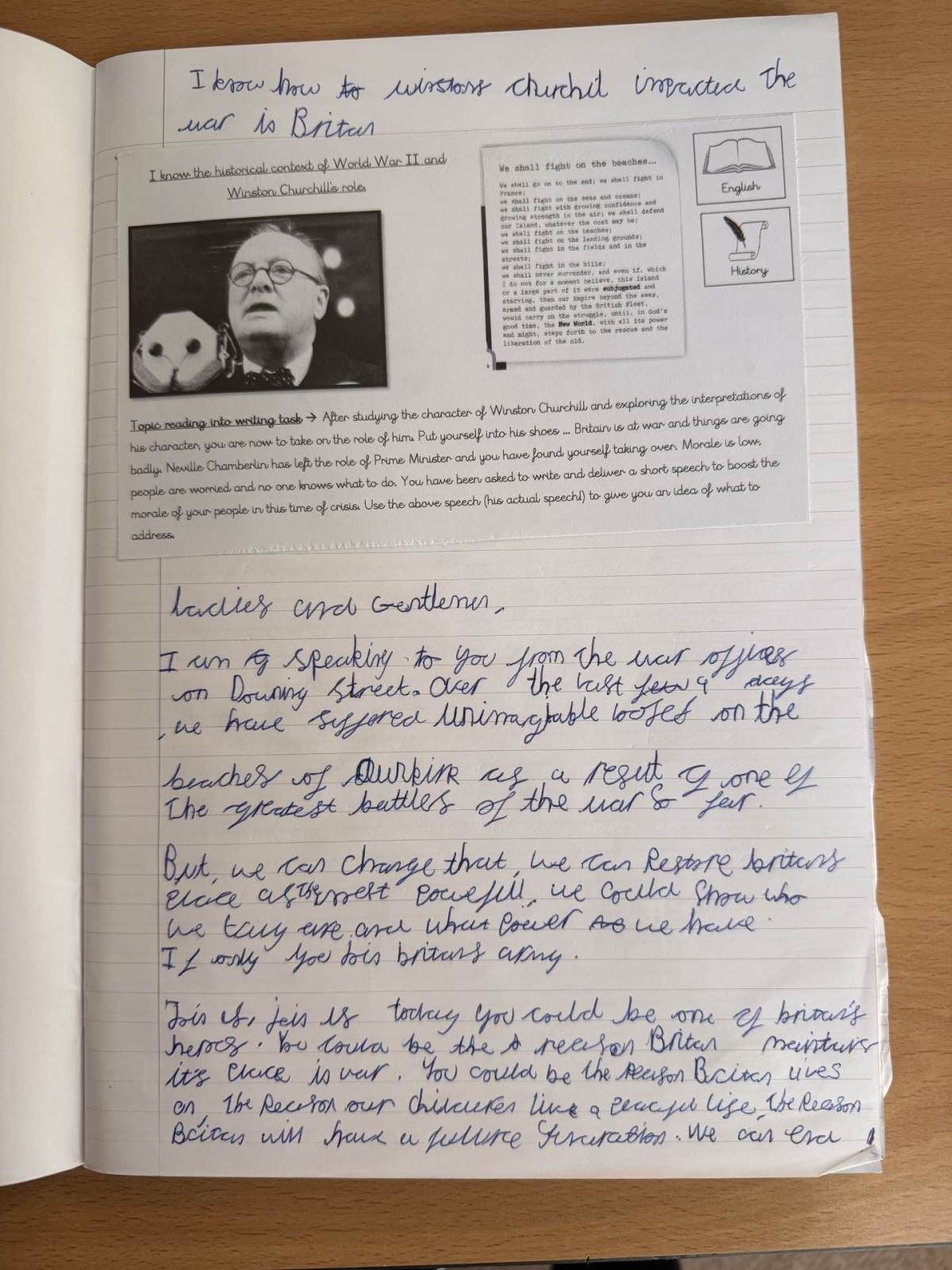
Following the let's say, we explored more information linked to Winston Churchill and learnt a little about his life. We listened to some of his 'we shall never surrender' speech and were inspired to write our own speeches, encouraging our peers to 'join the fight'.
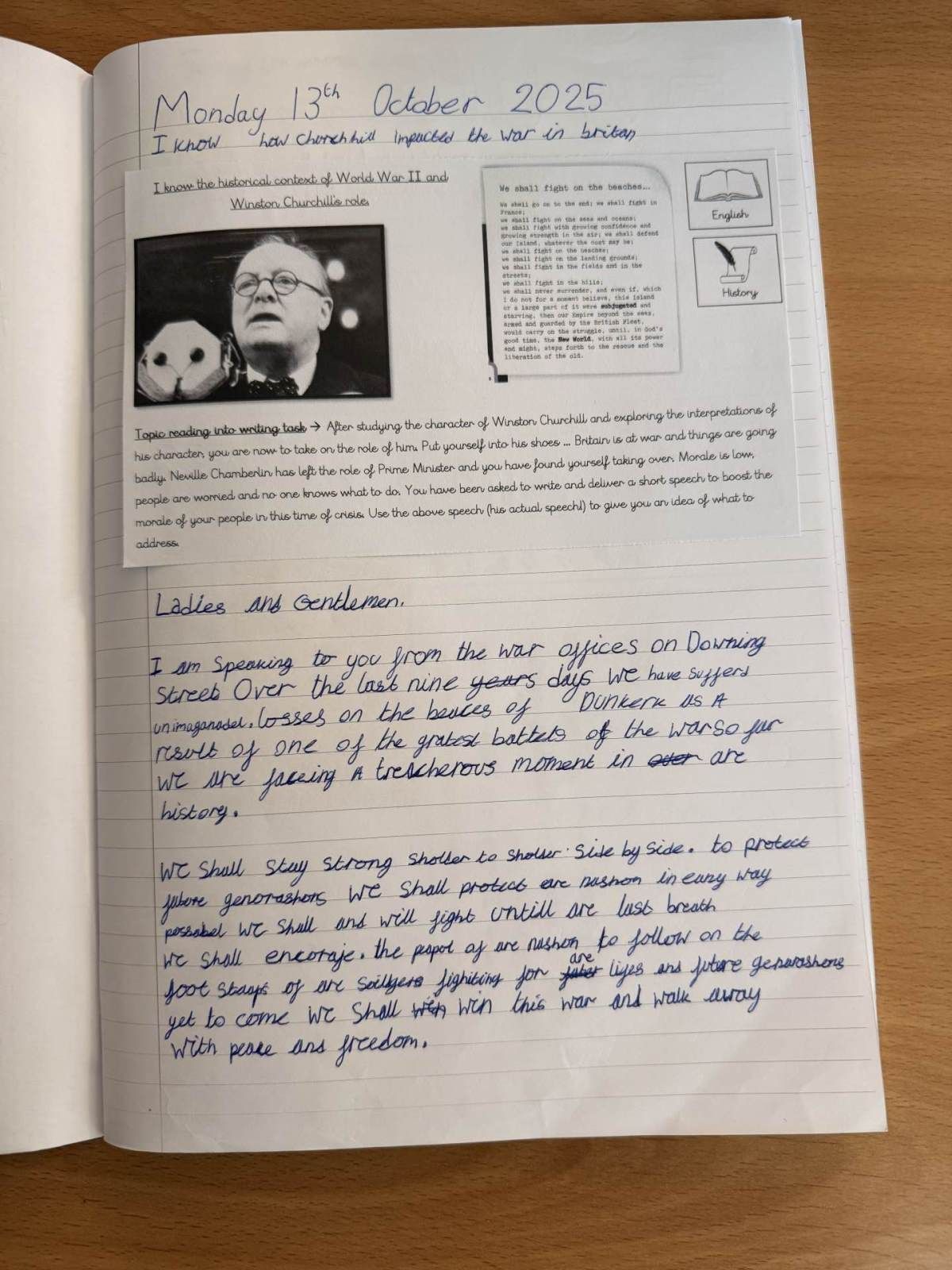
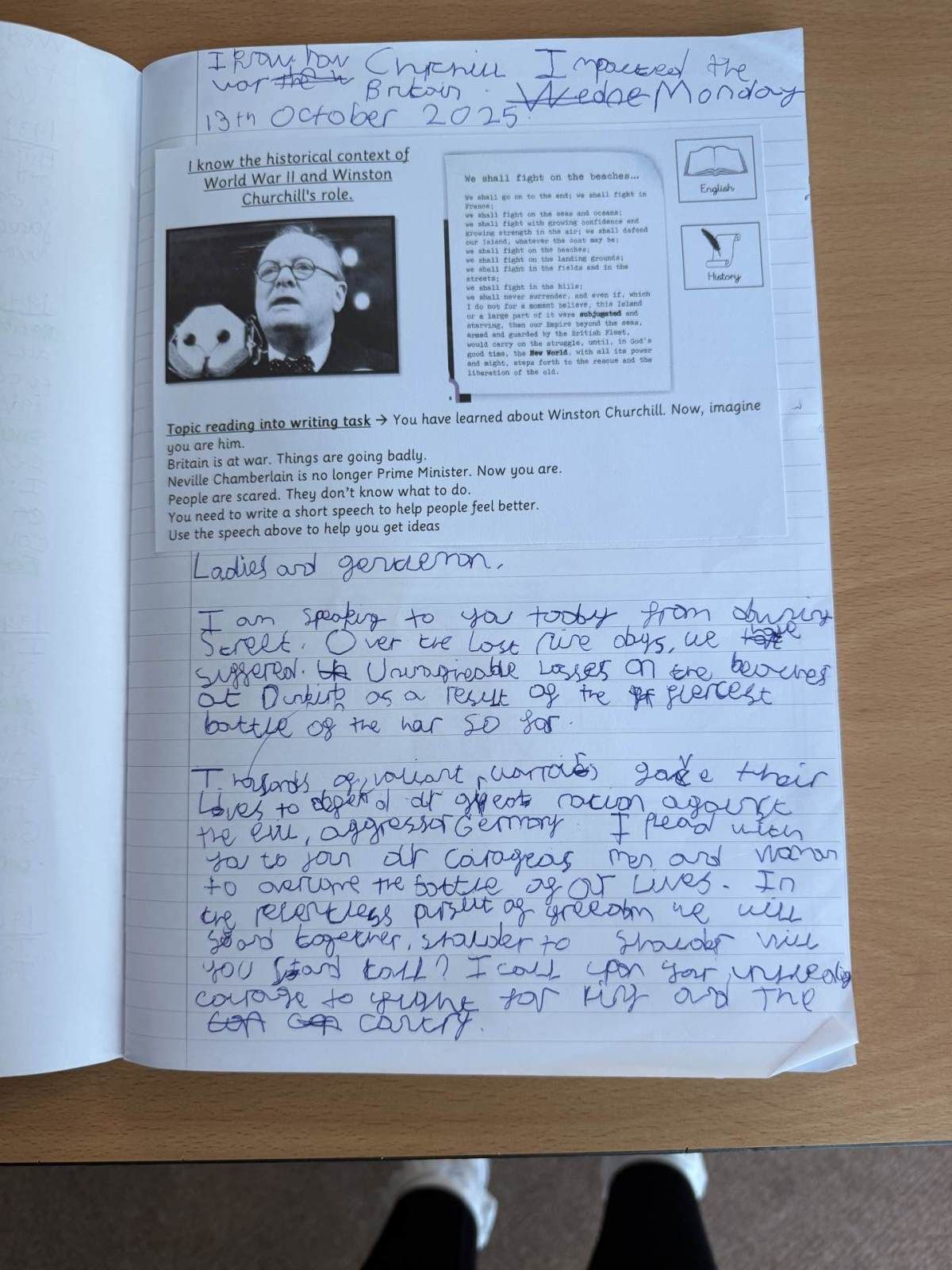
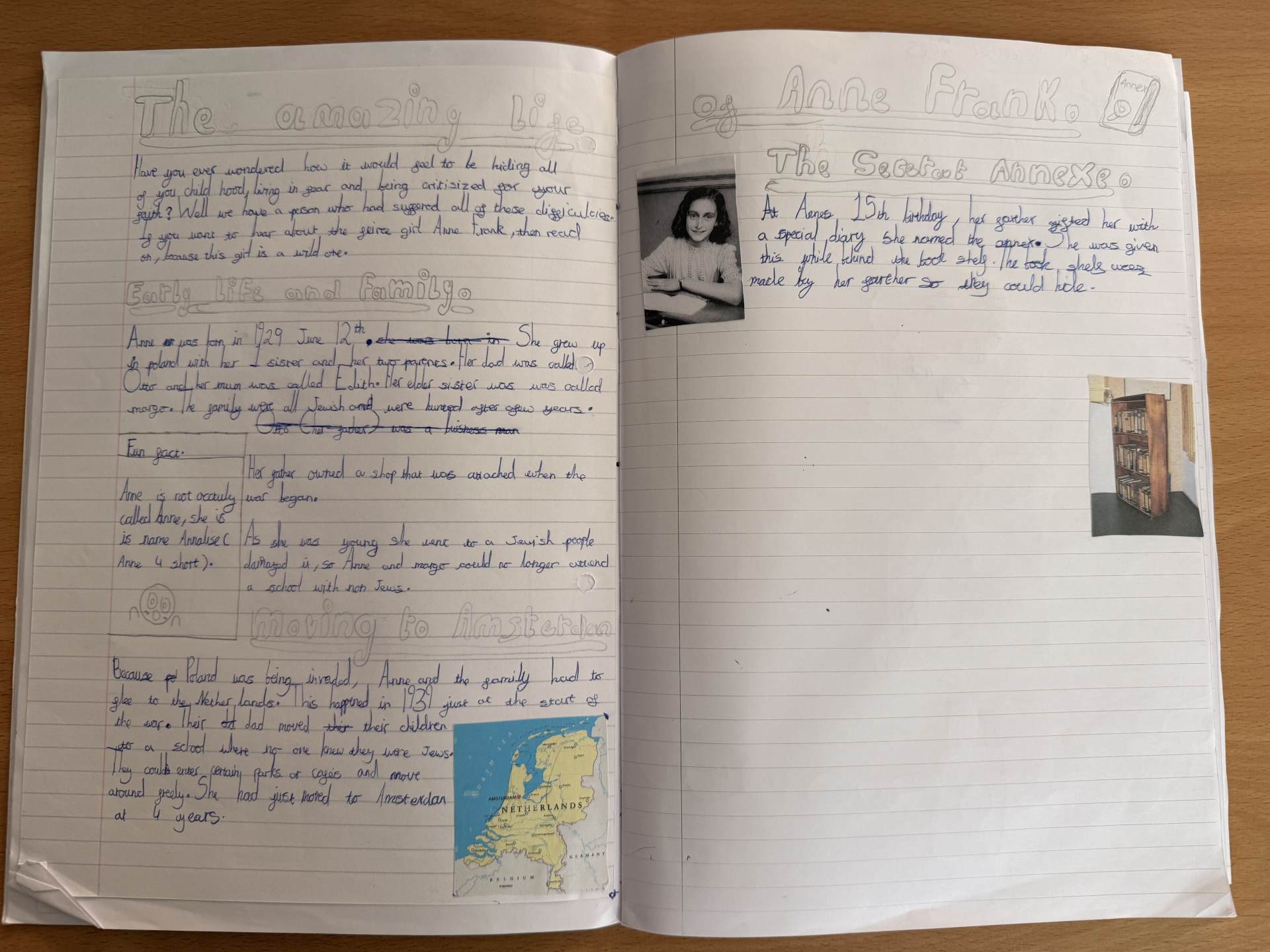
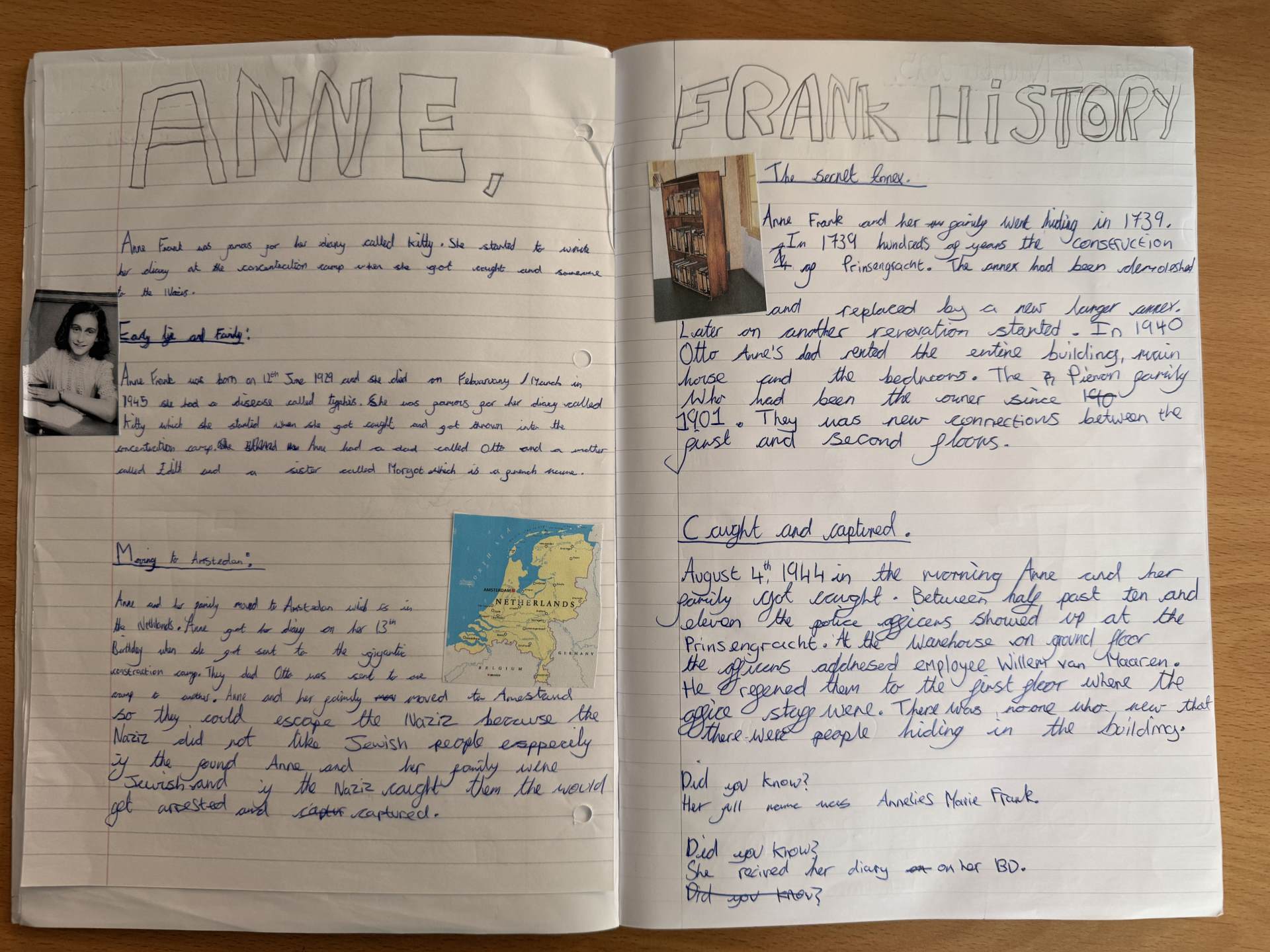
In our final History lesson the first half term, we explored the life of Anne Frank. We learnt about her life and experiences and used the information to produce a double page spread all about her.
We began our second half term by bringing our focus closer to home and delved into the world of women during World War 2. We learnt about the new roles women were asked to take up and how propaganda was used as a tool during this time. During the session, we produced our own propaganda posters.
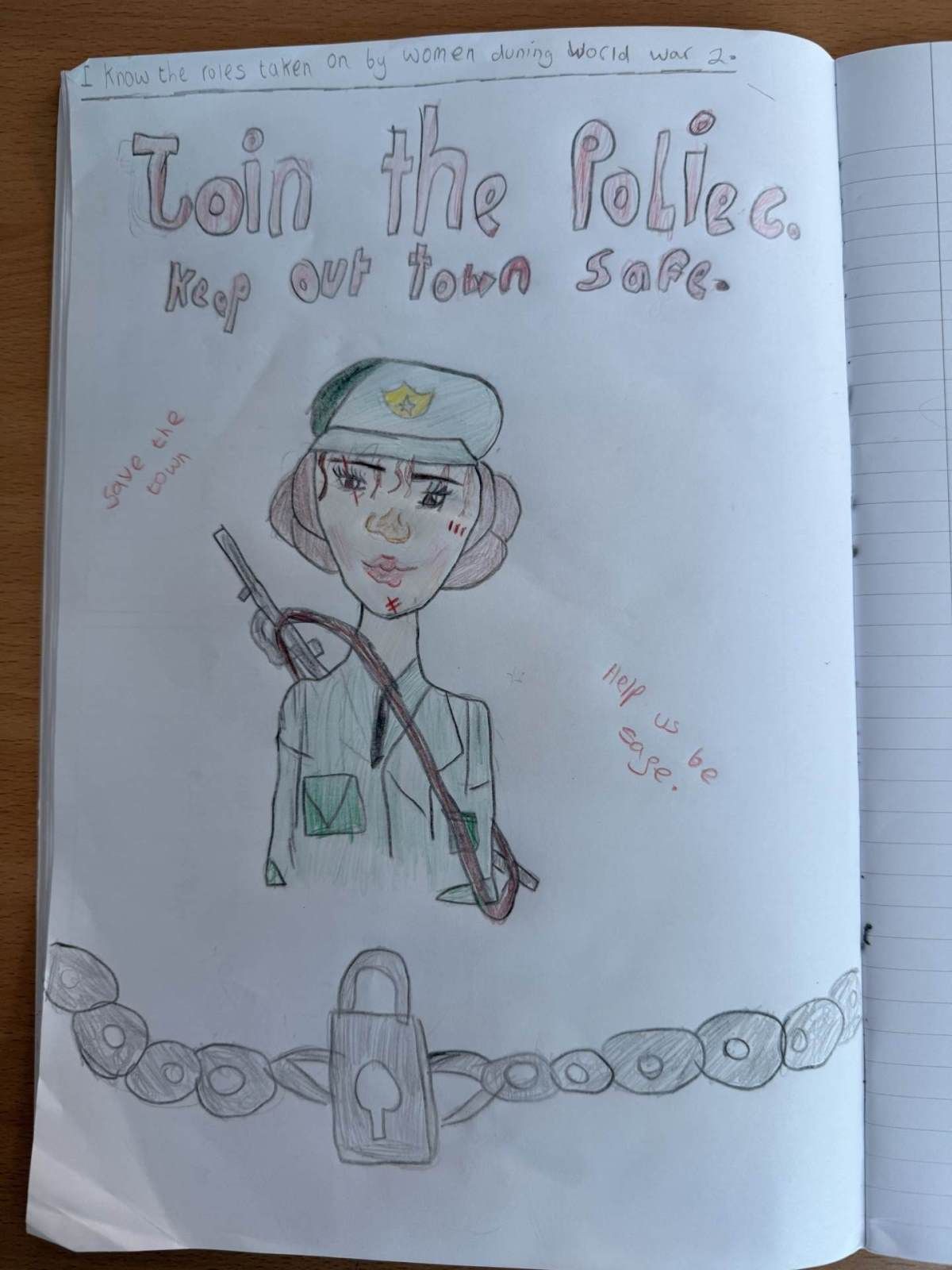
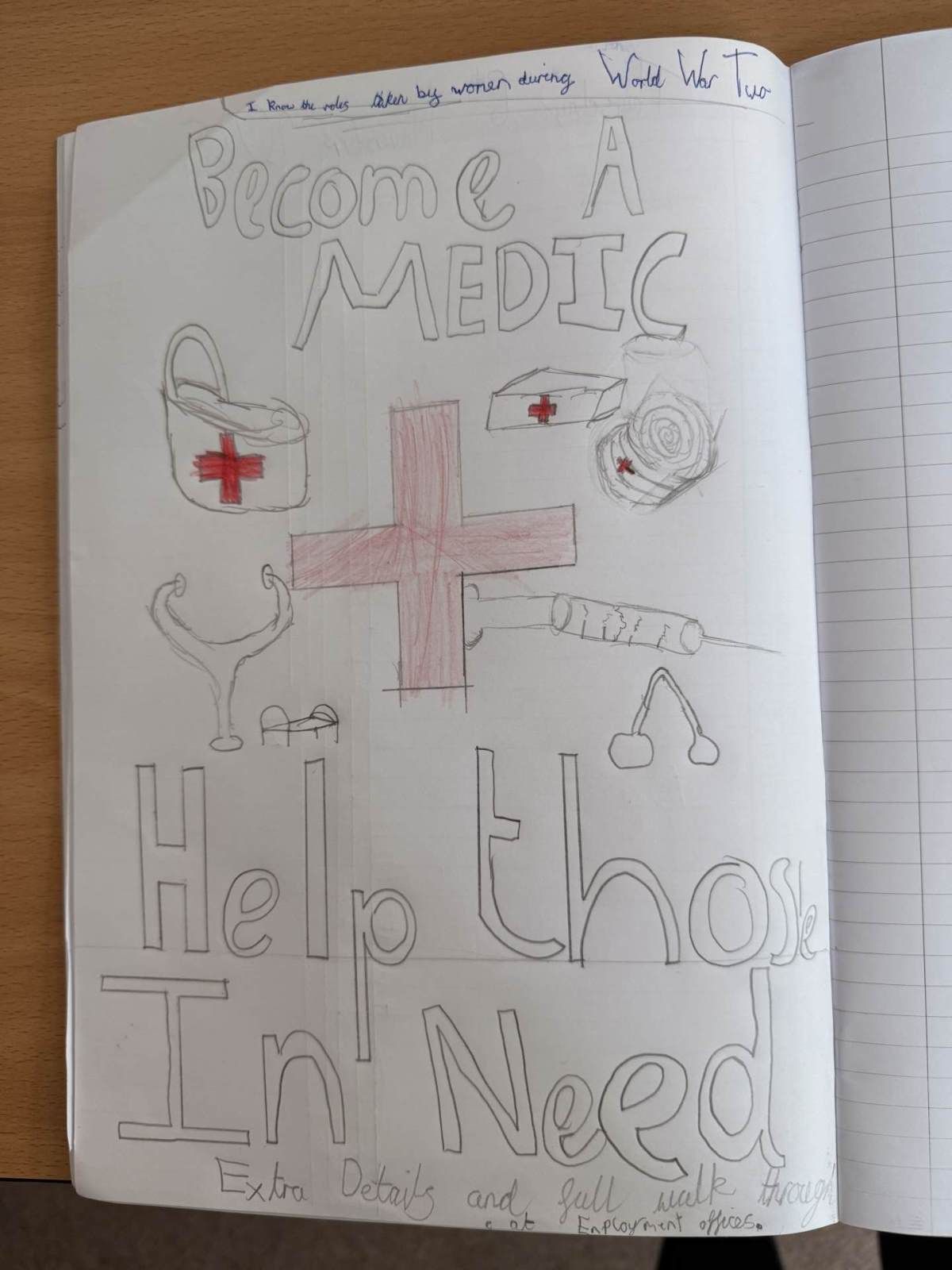
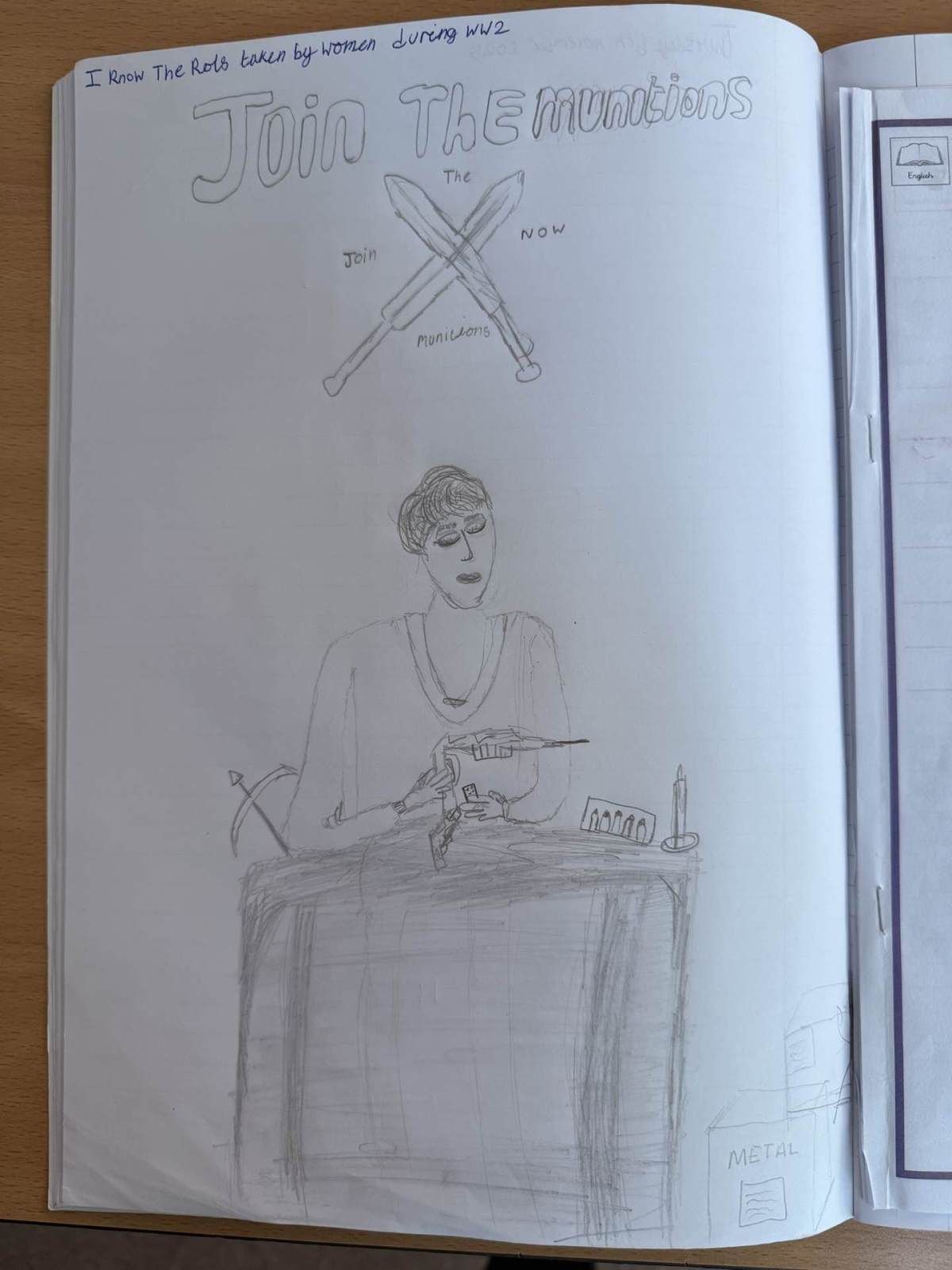
We then explored the Blitz and how this impacted people in England - including what happened in our local area. This then lead into our final sessions which focussed on evacuees. We then put ourselves into the shoes of an evacuee child and wrote a letter to our family back in the city.
Maths
This half term we will be focussing on developing our place value and four operations knowledge.
We have done amazingly well with applying our Year 5 place value knowledge to our new year 6 learning and lots of us have secured skills that we found tricky before. We have explored rounding further and recapped negative numbers and Roman numerals too!
In our Wednesday afternoon sessions we have focussed on securing our arithmetic skills. This half term we have been introduced to long division which some of us have found tricky, but we will persevere!
Our Year 6 children have done amazingly well when tackling long multiplication this year. This was something that was brand new to us in Year 5 however we are all now much more confident and ready to tackle those questions!
We have since explored and secured our use of the four operations in a range of different questions and have now been introduced to long division. This method was super tricky and some of us are still working to secure it, but we will continue to have lots of chances to practise before our SATs.
Science - Autumn 1 - Electricity
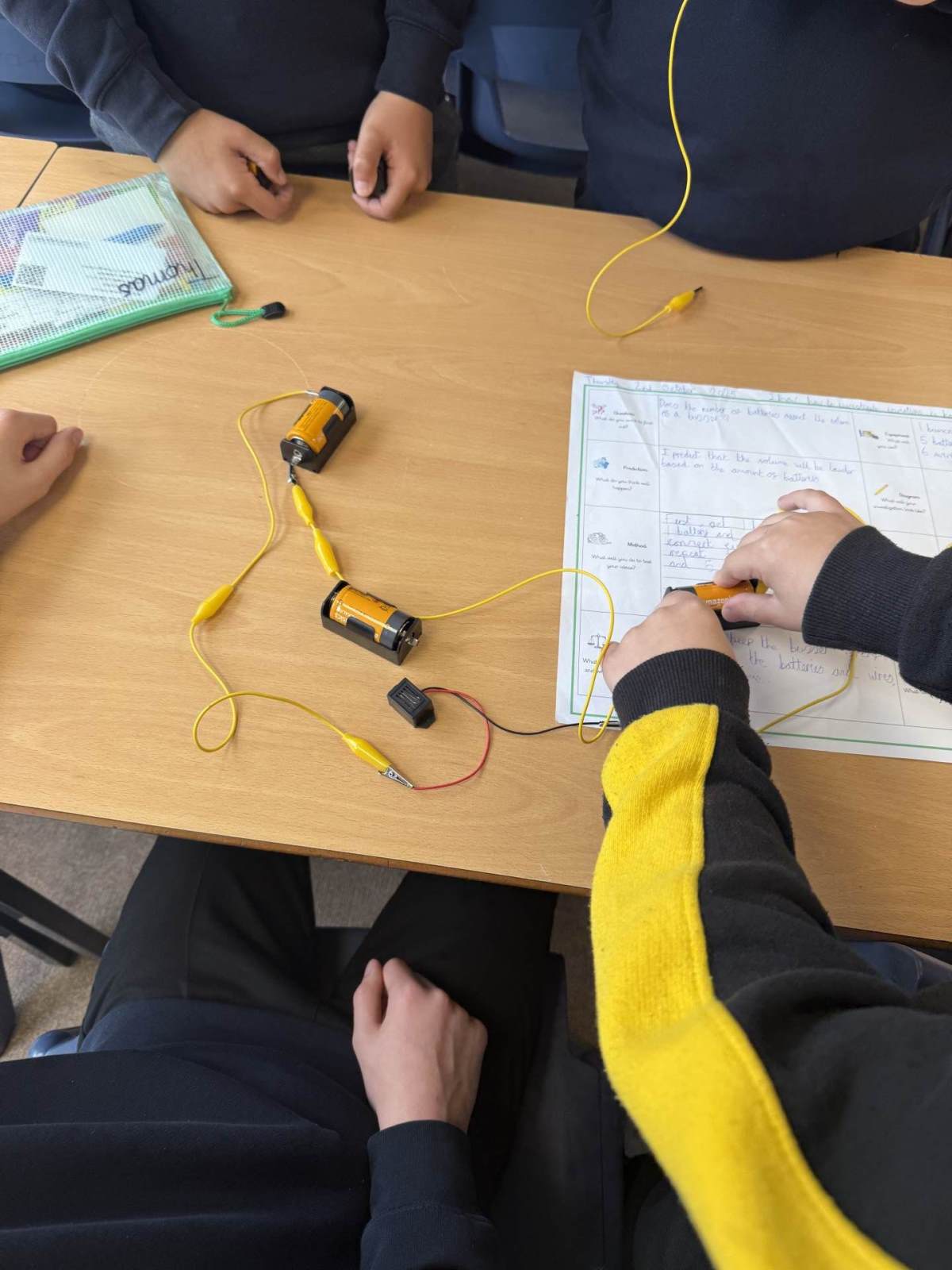
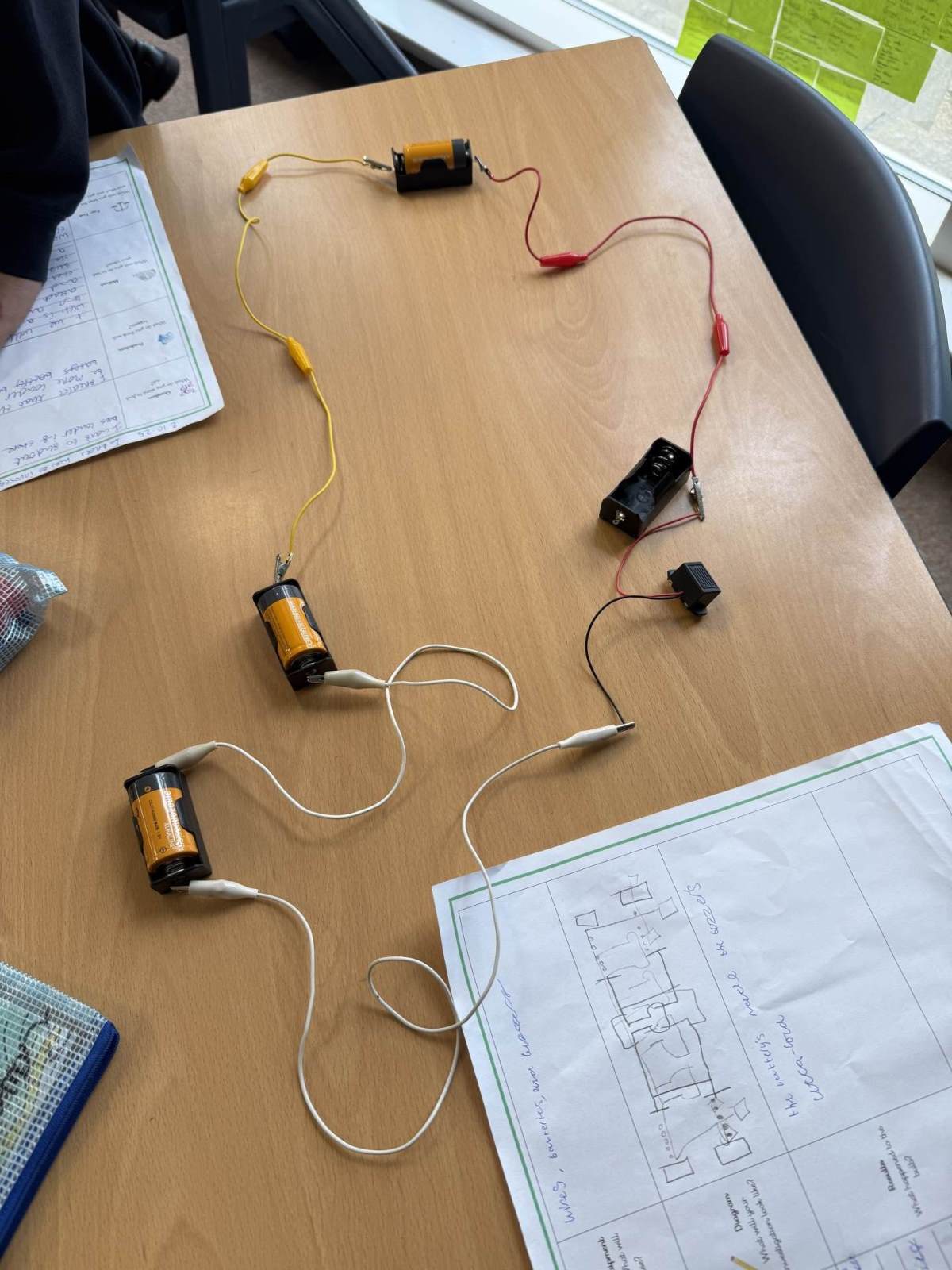
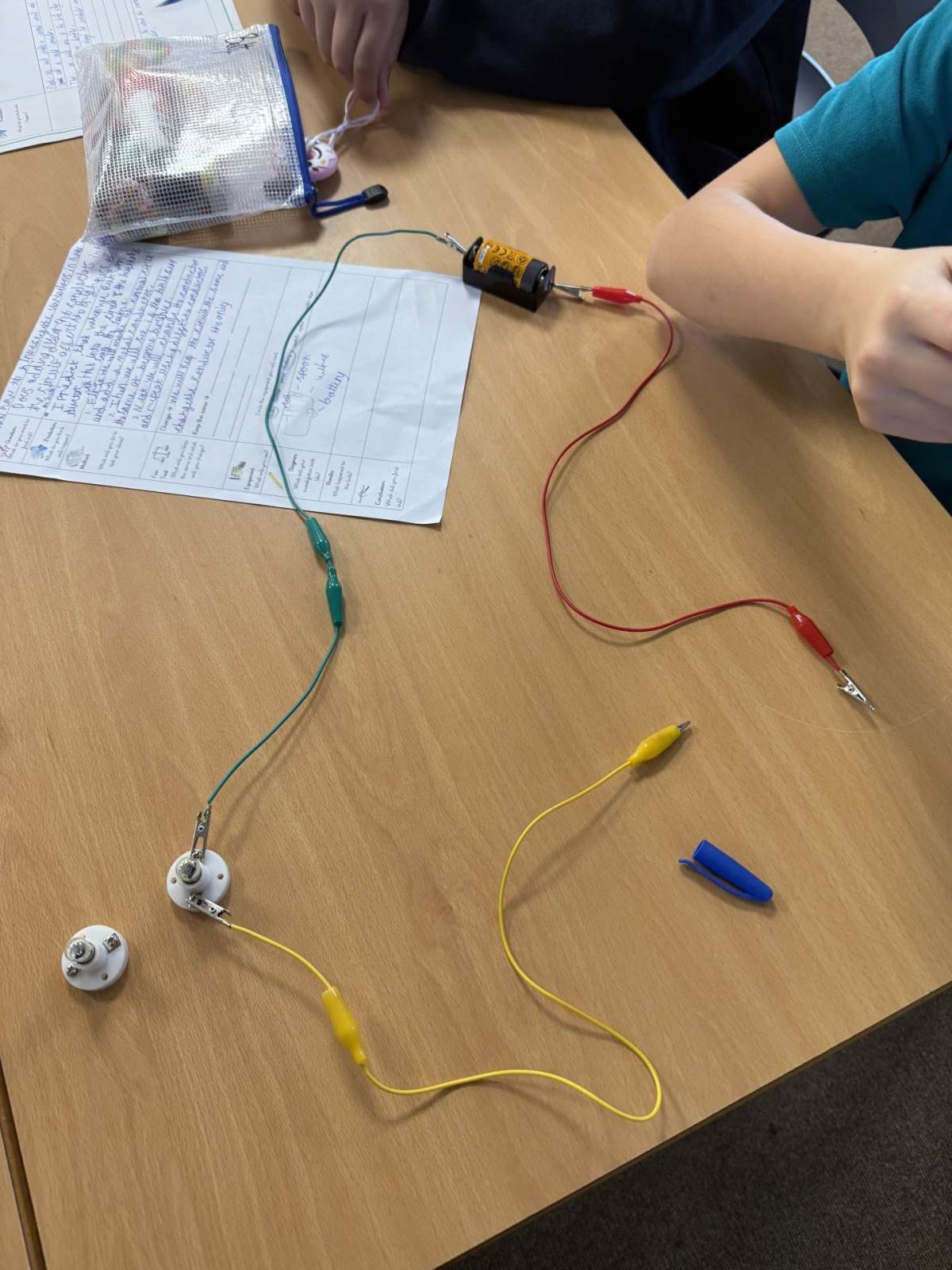
Our Science unit this half term focusses on electricity. We will be learning about electrical components within circuits including how to represent them using scientific symbols, and how to identify problems within circuits and how certain elements work.
During the half term we have explored circuit components alongside learning how to draw real circuit diagrams. We have used investigations to explore different ideas and even wrote and carried out our own investigation!
Science - Autumn 2 - Animals including humans
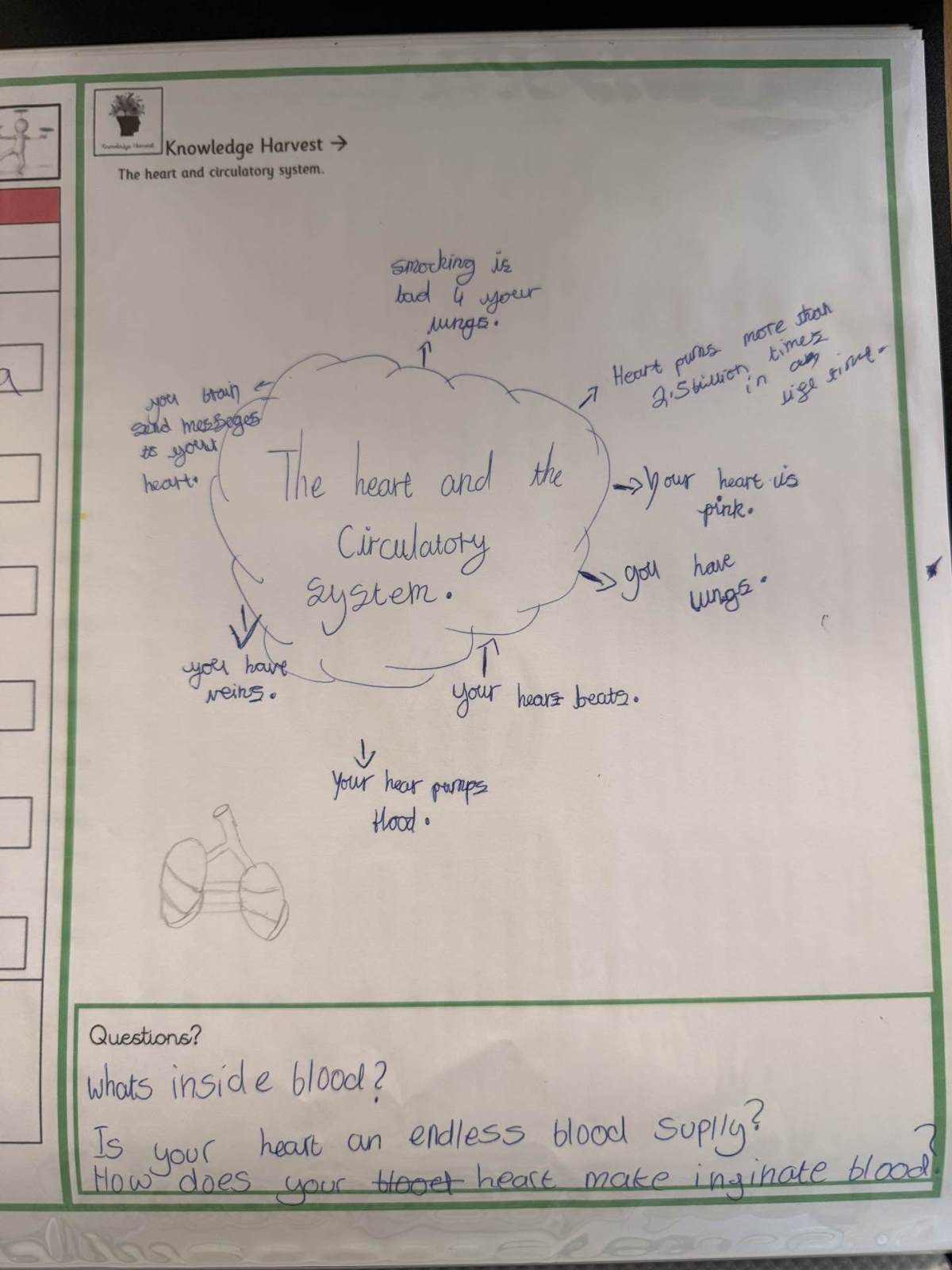
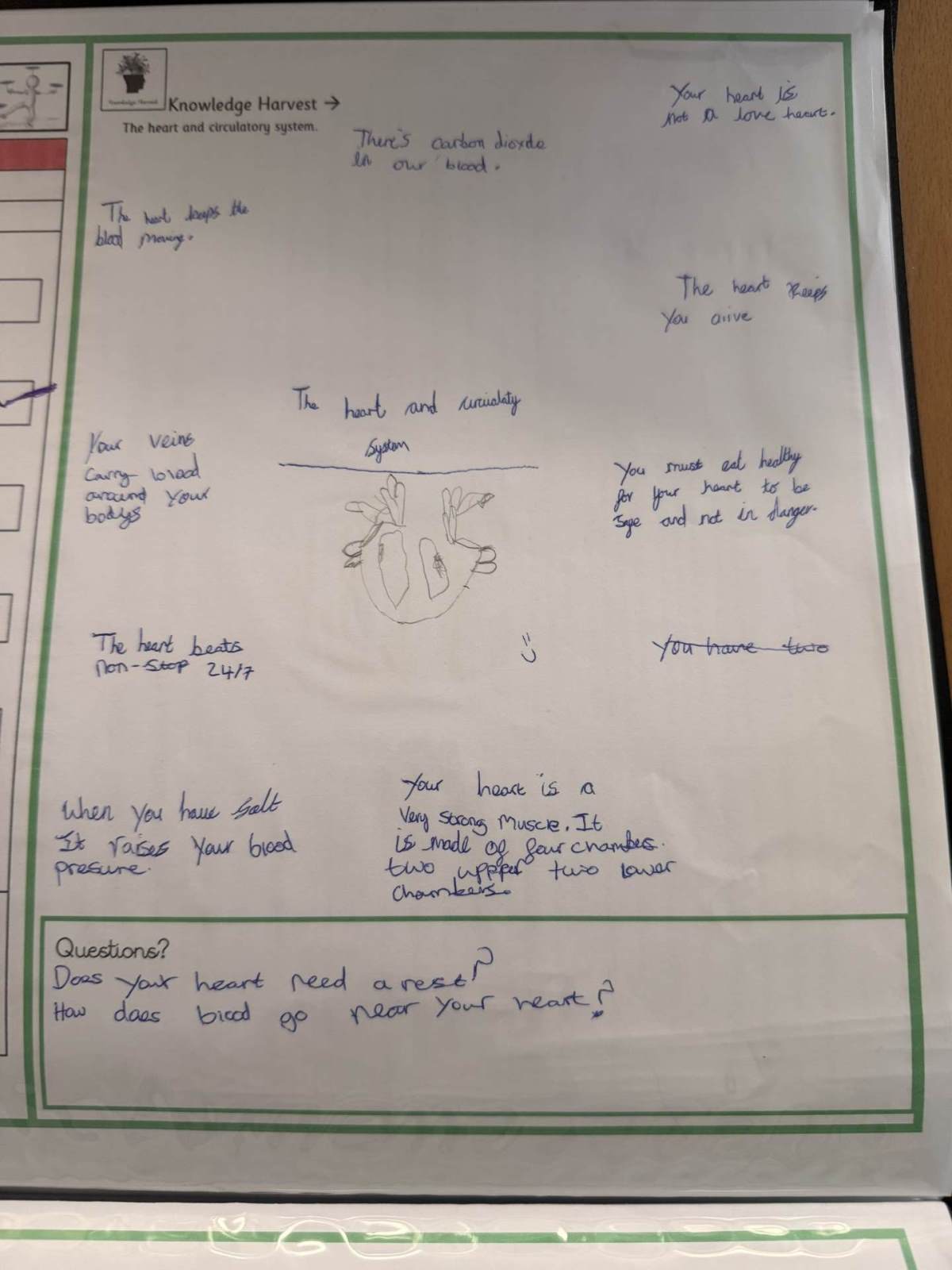
During this half term, we will be learning about the human heart and the circulatory system including how the heart works, how blood and nutrients move around the body and how to keep our hearts and bodies healthy.
We initially discussed the topic and recorded any information we already knew and any key questions we had - lots of us wanted to know more about blood and how the heart beat.
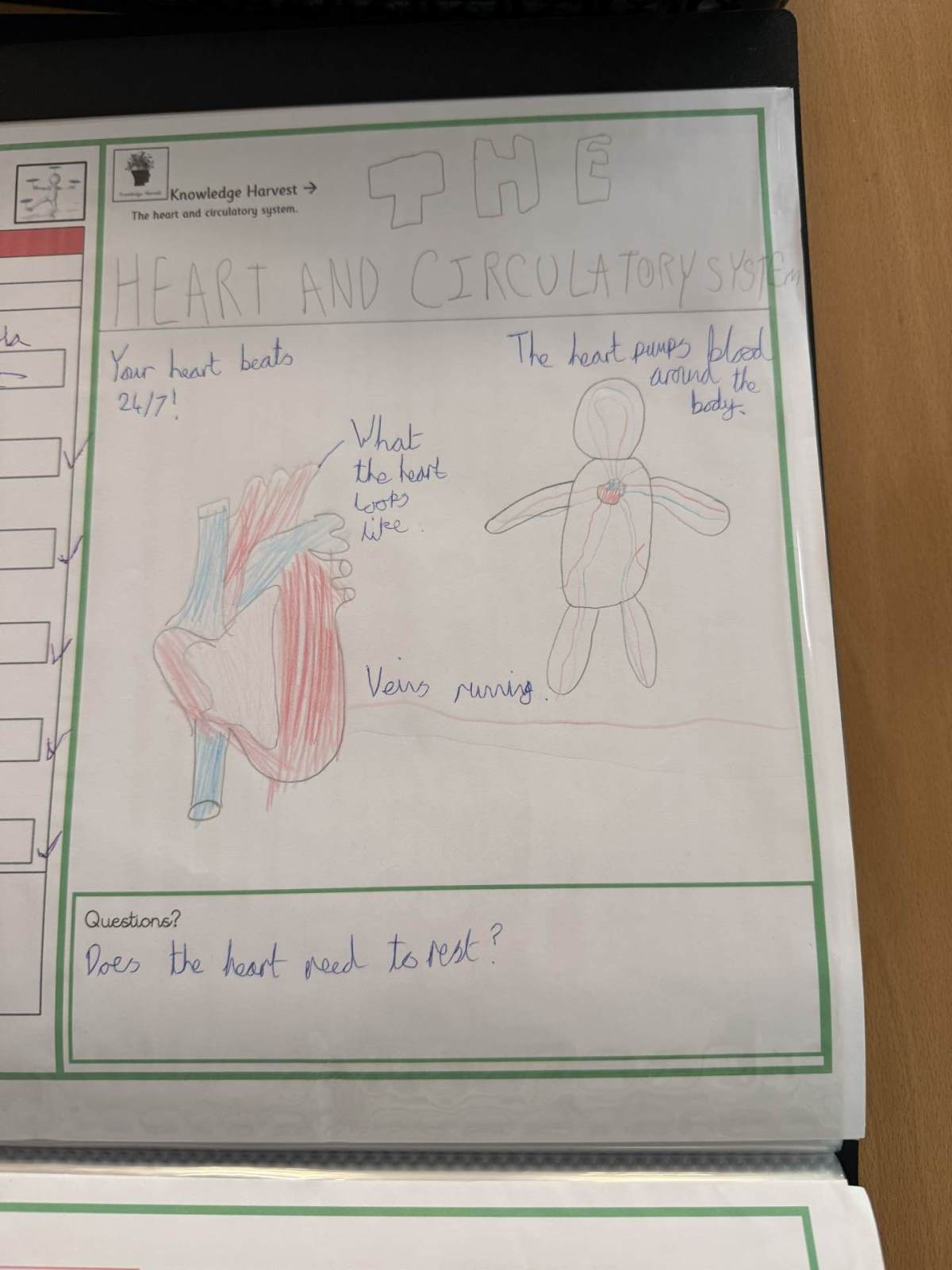
We then learnt key vocabulary linked to our circulatory system. We explored the vocabulary using a catchy song which some of us remembered weeks later!
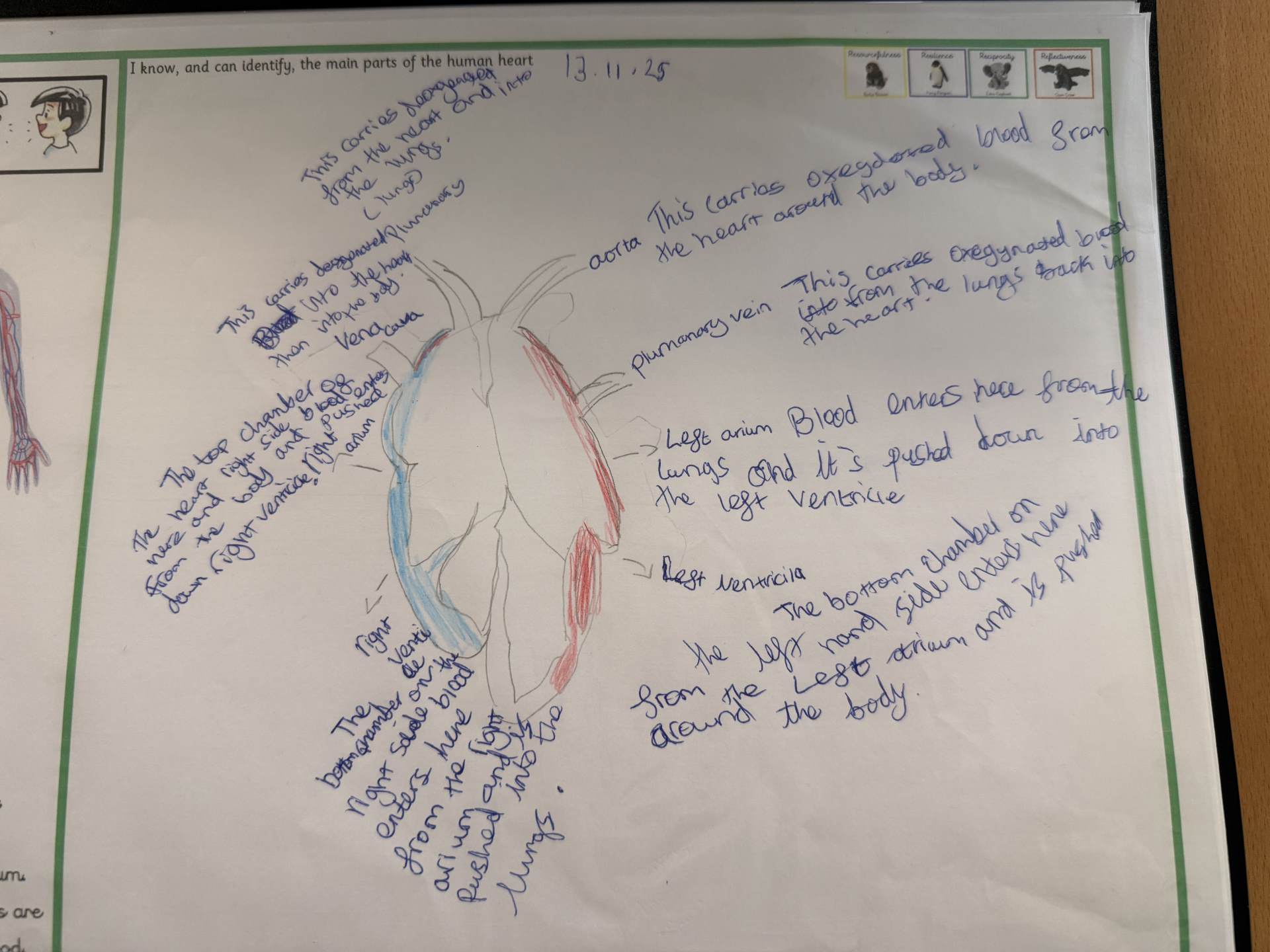
Following this, we focussed on the heart itself and the eight key parts that make up our heart. We combined out art and science skills to produce some amazing diagrams!
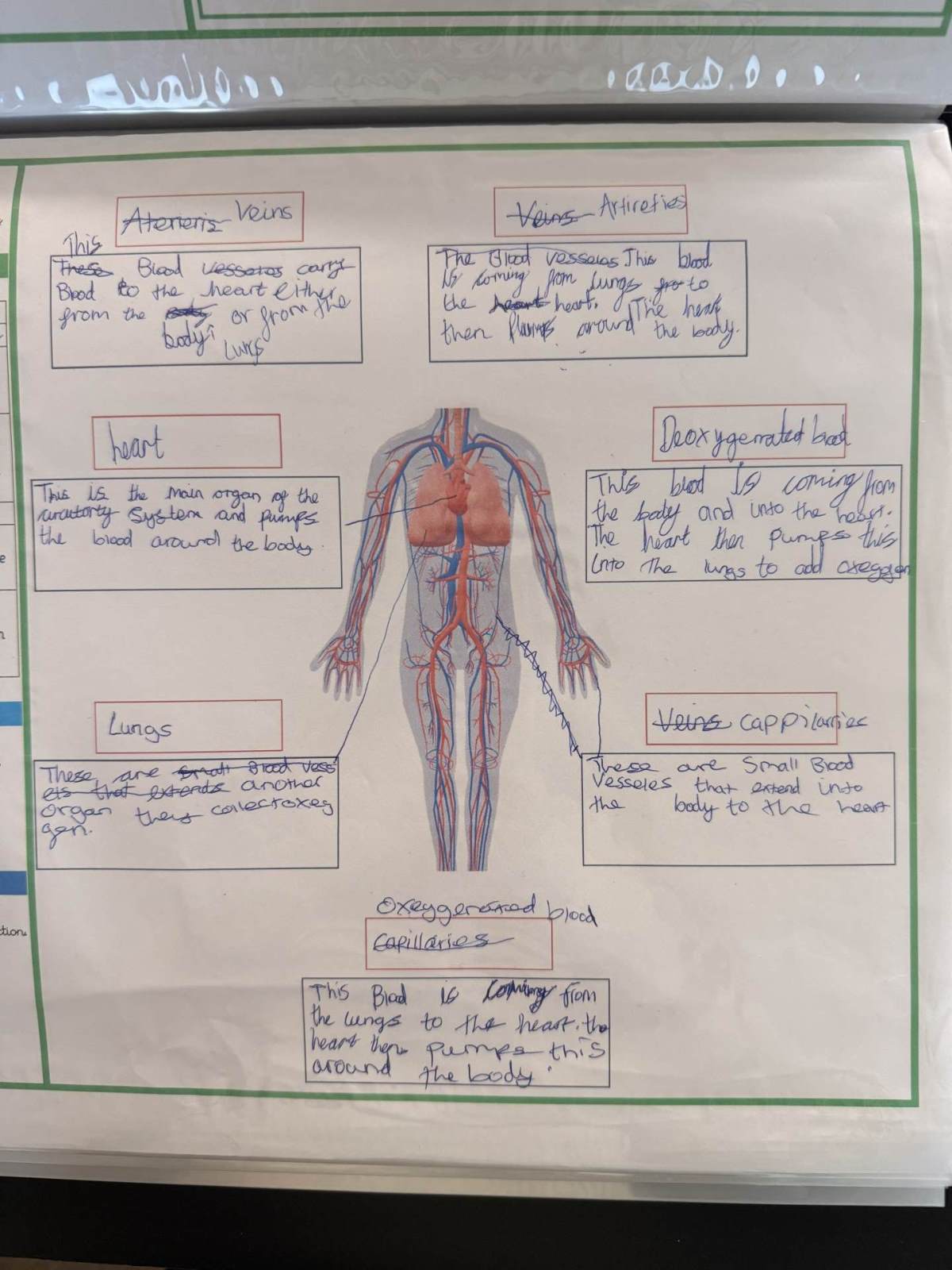
Our final lesson focussed on how to keep our hearts and bodies healthy. We learnt about the things that we SHOULD and SHOULD NOT do to keep our hearts super healthy!
Art
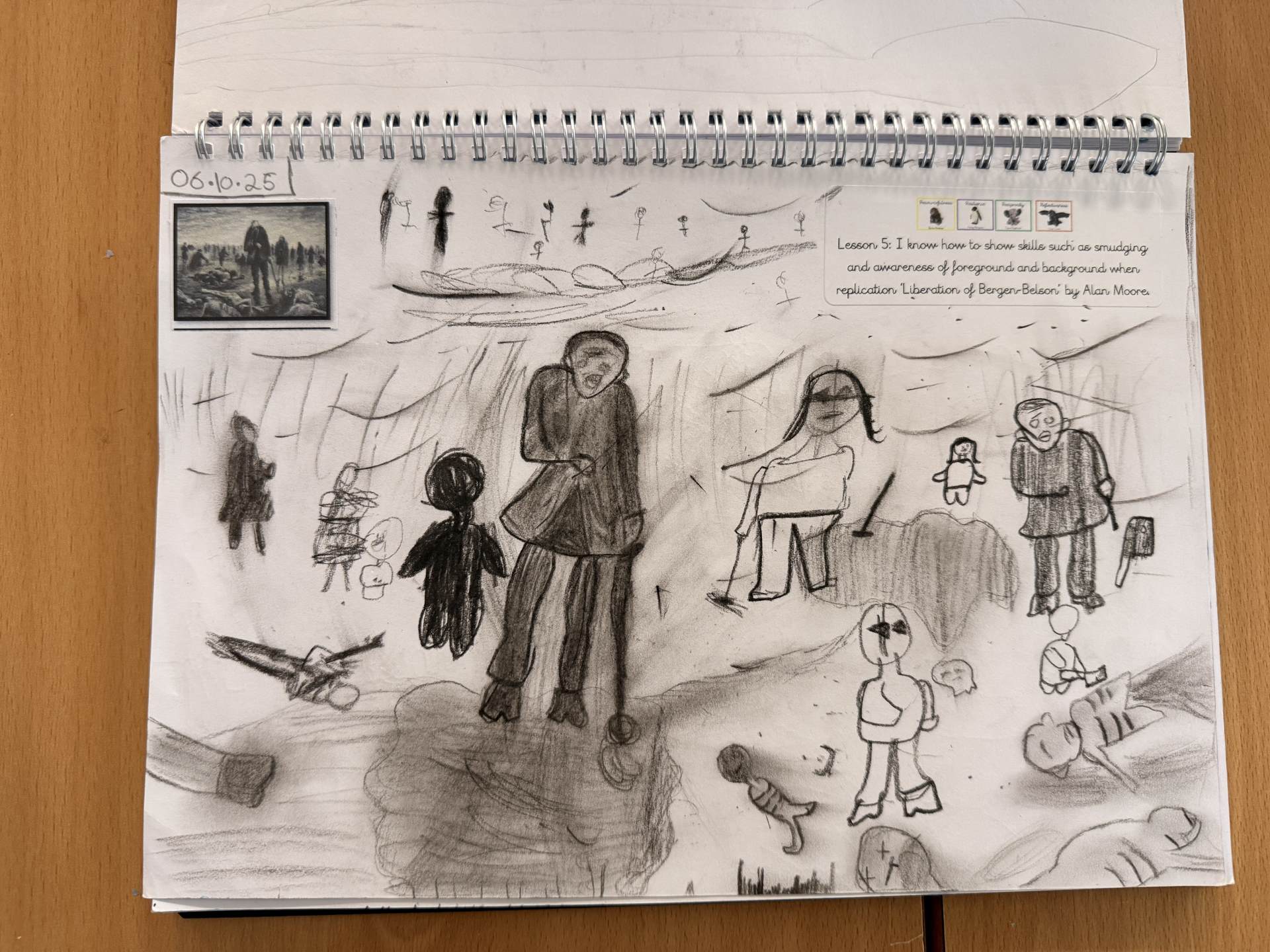
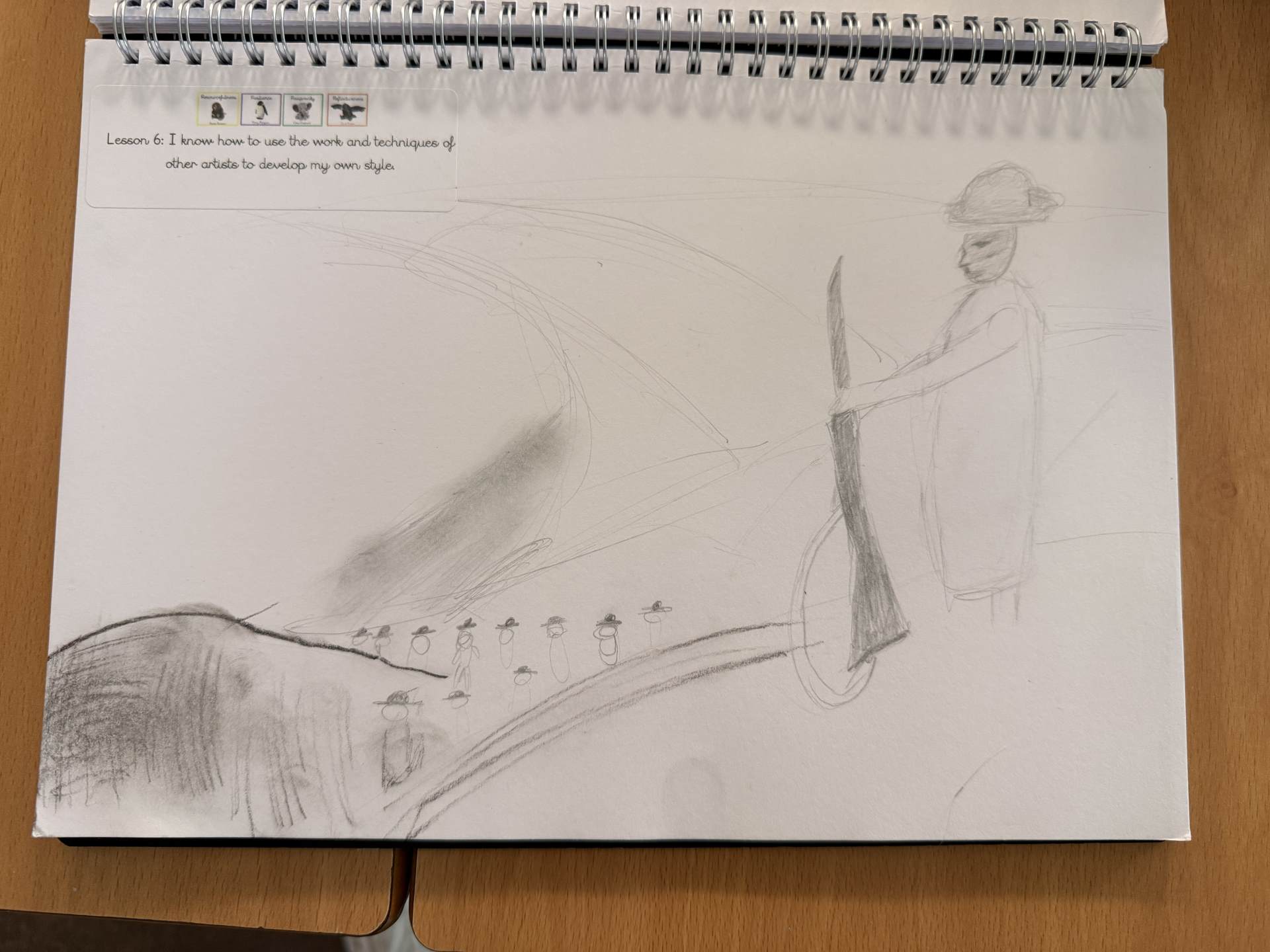
Our art learning this half term is linked to World War 2. We will be focussing on using perspective, tone and shading to create artwork inspired by famous WW2 artists.
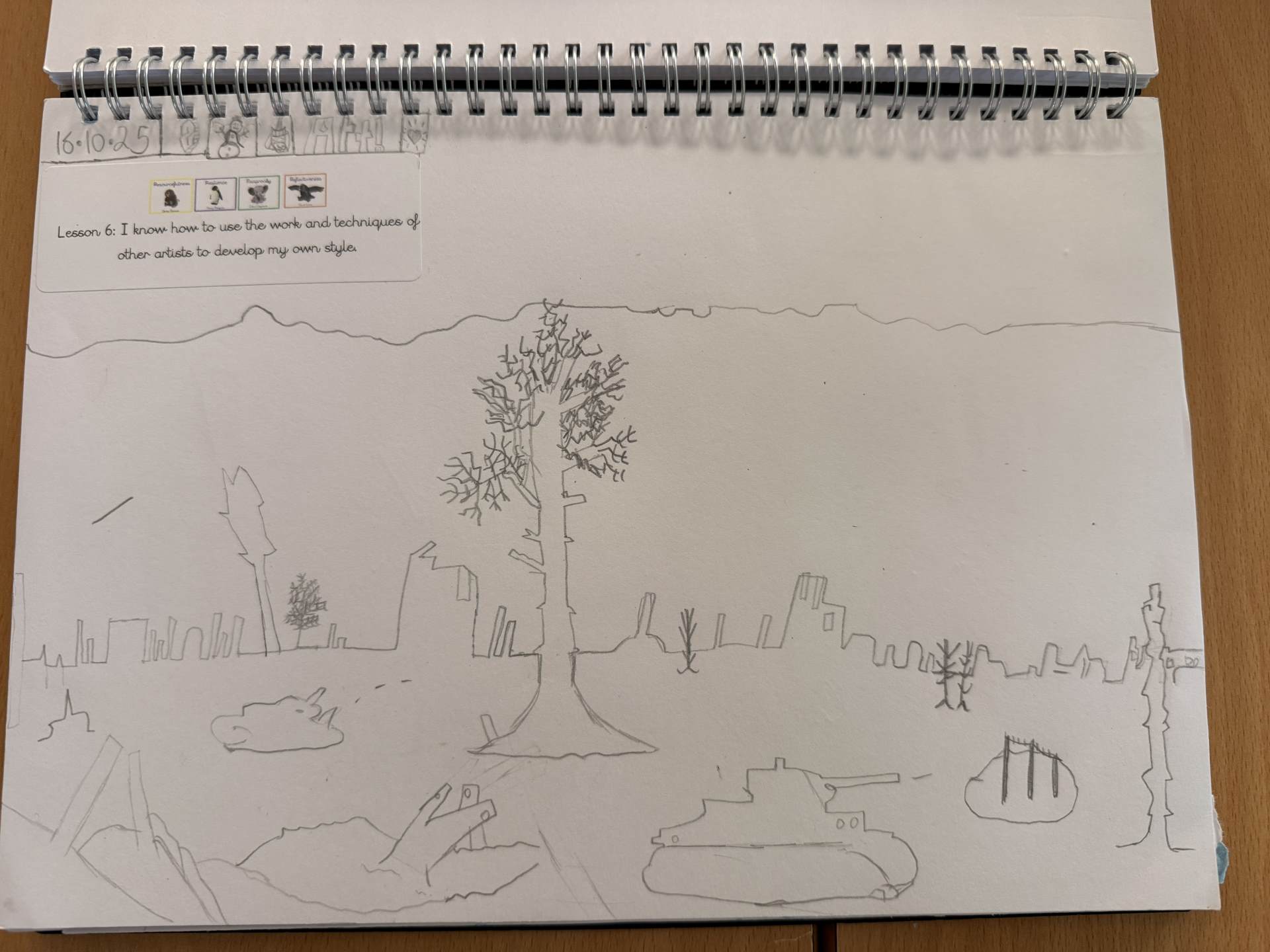
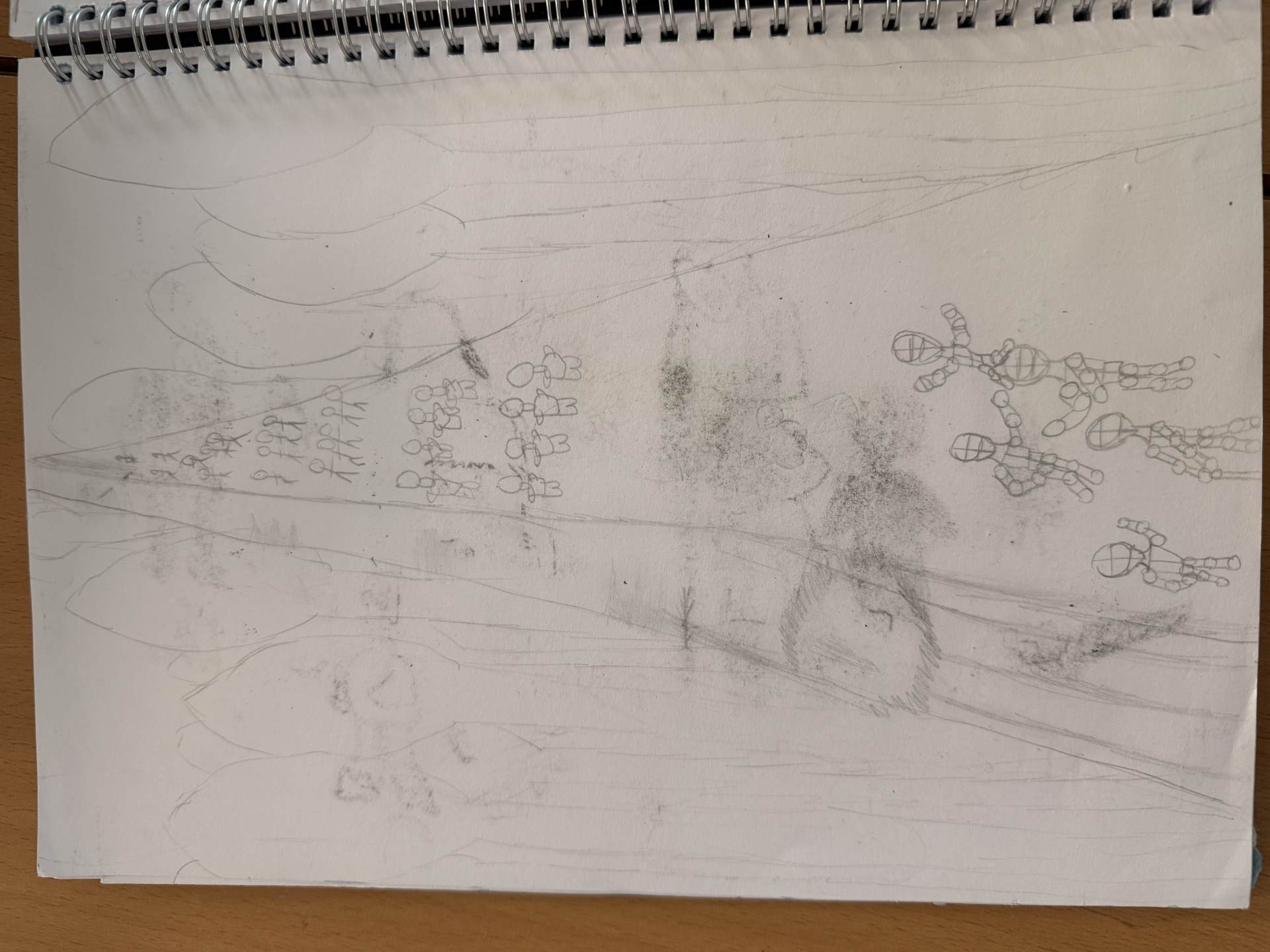
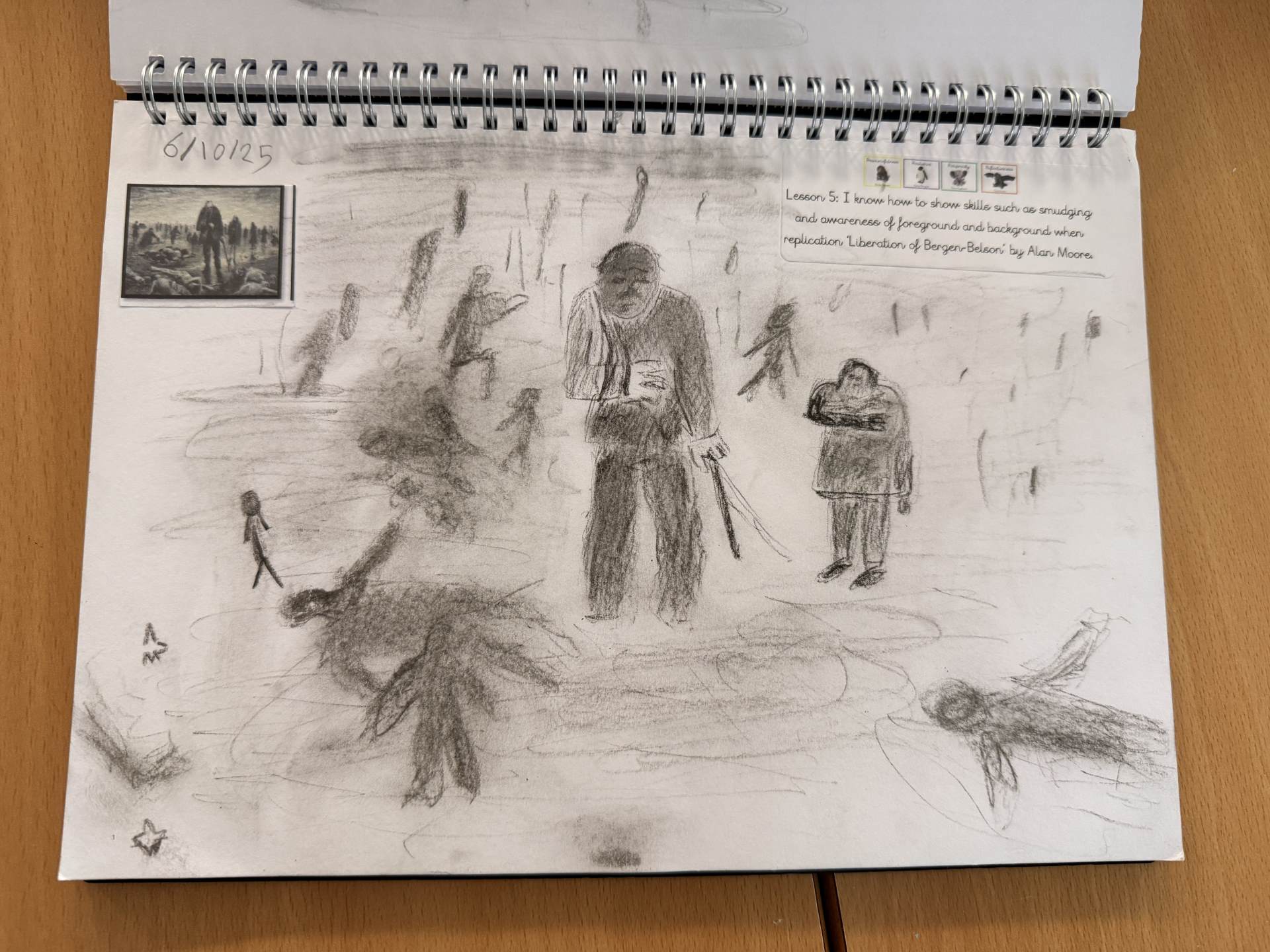
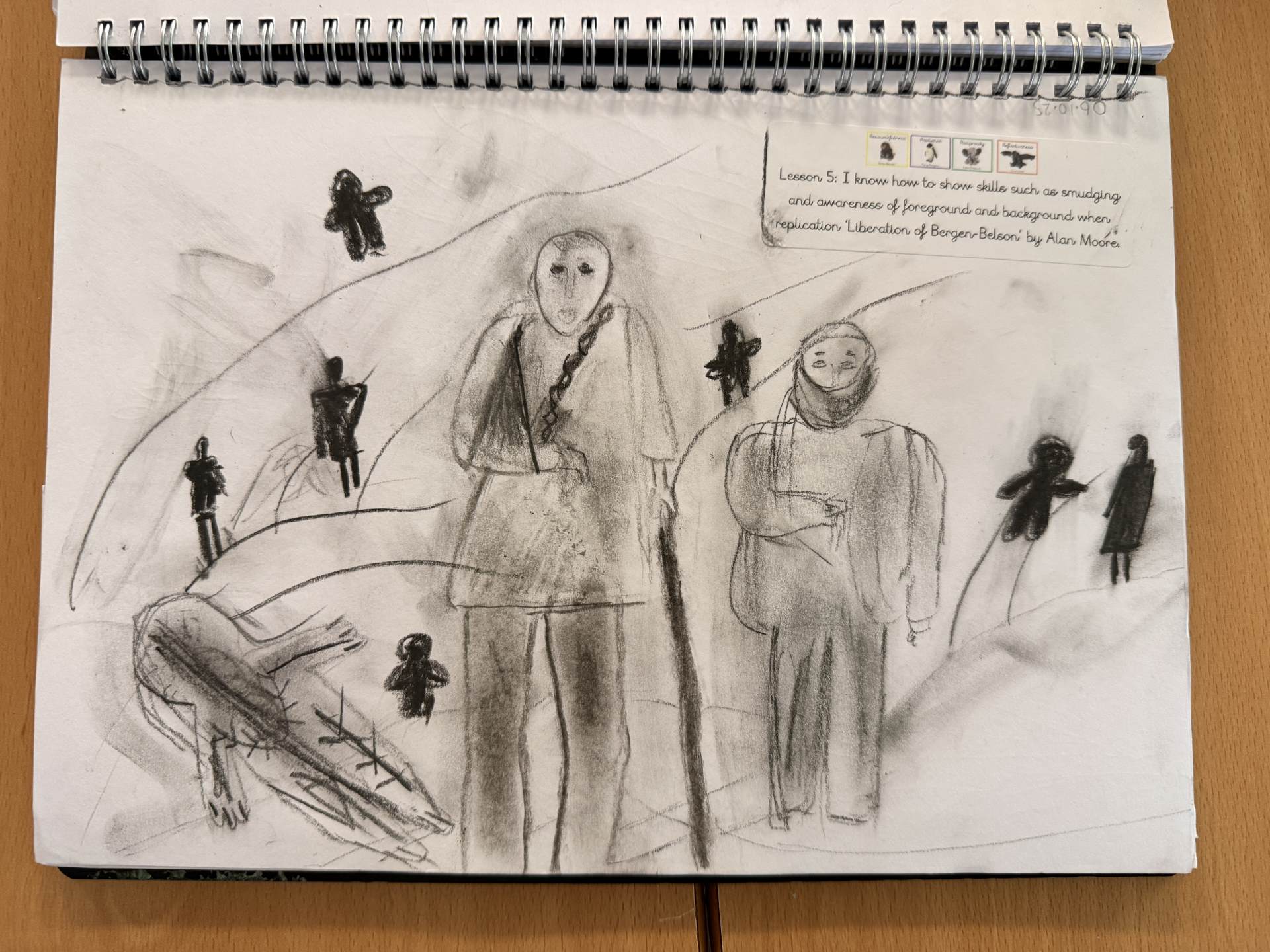
Picture News
What do you think makes something a wonder of the world?
During picture news this week, we explored a news story linked to Specsavers 'wonder' campaign. We discussed what makes something a wonder of the world and the many things that we find wonderful.
In Year 6, we continued our exploration in a geography linked challenge - we had to locate and label the 7 wonders of the world on a map using our atlas skills.
What makes a building special?
During picture news this week, we learnt about a church in Kiruna, Sweden which has been moved 5km to a new location because of unstable ground. We watched a video of the careful process being used to move the building which was built more than 100 years ago!
Following this, we worked as a group to research other buildings throughout history which have also been moved from their original location. We plotted these on a timeline as a group.
Why do we vote?
During picture news this week, we learnt that the voting age for the next general election is being reduced to 16 in England and Northern Ireland.
We learnt about the process of voting and discussed democracy, including how we work democratically and use voting in school.
We discussed the question: Do you think the voting age should be lowered to 16?
I'm not sure if 16 years old is old enough because they will need to have more life experiences to make big choices like that.
Yes because it will give people more choice about their life at a young age.
I don't think 16 year olds should vote because the older you are then you have more information.
I want the age to be lower (16) because it will help people share their opinions more respectfully from a younger age.
Can anyone break a record if they try hard enough?
This week, picture news led us to explore the weird and wonderful world of Guinness World record breakers. We thought about the different records we knew had been broken such as the fastest runner, the tallest and shortest people and the longest fingernails!
We then used the iPads to research the weirdest world records we could find!
Can sport bring people closer together?
During picture news this week, we learnt that ParkRun are wanting to spread their running events into primary schools to give children more chances to run, walk, or even volunteer at their Park Run events! We discussed how sports teams bring together people who would not normally spend time together and how we can make new friends through our interests. We then did a 1K around our playground to keep ourselves fit!
Black history month - Picture News and Swarzy
During a special live assembly led by picture News and radio presenter Swarzy we explored the theme for 2025: 'standing firm in power and pride'. We listened to Swarzy talk about her family and how she grew up, alongside the pride she has in her ancestry and family. From this we were able to ask Swarzy questions and learn more about her work. We learnt lots about her life and how she embodies the theme for 2025.
What makes a good peacekeeper?
In our Picture News session this week we focussed on the united nations (UN) and how the leaders try and work together to solve world problems. We discussed the difference between a peace maker and peace breaker and thought about the problems leaders could solve if they worked on their peace making skills.
Should fireworks be changed so we can protect animals and people at the same time?
During this week, we focussed on fireworks and fire safety in relation to bonfire night. As part of our bonfire night safety learning, we had a visitor come in and discuss a true story with us. The story explored a young boy who made the wrong choices on bonfire night and his life changed forever due to an injury. During this session we learnt about the laws linked to fireworks/sparklers and key fact about the fire service and their work. It really opened our eyes as to the consequences of not being safe on bonfire night.
How important is it to feel a sense of togetherness?
On the lead up to Christmas, we explored togetherness in connection to the news of the Princess of Wales' carol service. We discussed the concepts of kindness, connection and community and how we can support those who do not feel part of a community or group.
What does kindness look like?
The final picture news of 2025 foussed on a charity called 'Small acts of Kindness', a charity who have produced and distributed over 10,000 gift bags to help the homeless and less fortunate across Hertfordshire and Bedfordshire. We discussed the acts of kindness we could do in our community:
- pass a smile
- help a charity
- work at a food bank
- give our old toys to charity shops
- give money to charity