

Our Spring 2 Journey
Our Focus this Term
This half term in Tadpoles, we explored the exciting world of Zoo animals! The children learned about what a zoo is and the different animals that live there. Through stories, songs, and imaginative play, they discovered animals big and small - from roaring lions to tall giraffes. We enjoyed creating animal artwork, moving like animals during our play, and talking about the sounds they make. This topic helped to develop the children's language, curiosity, and understanding of the world around them all whilst having lots of fun together!
Dear Zoo and Down in the Jungle
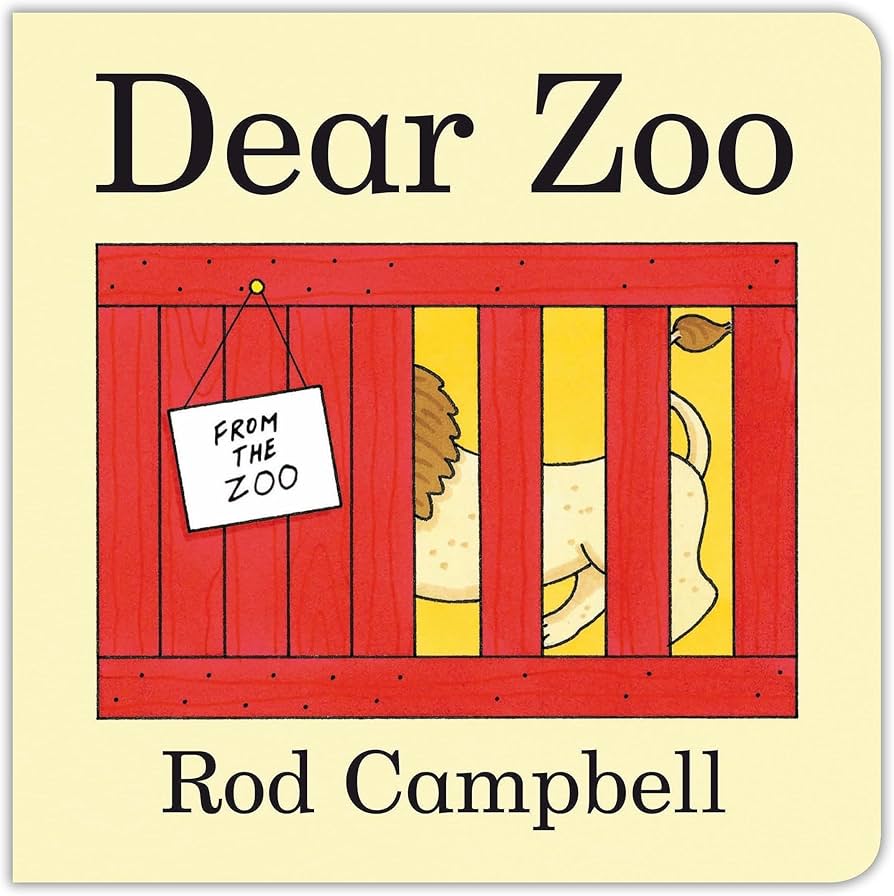
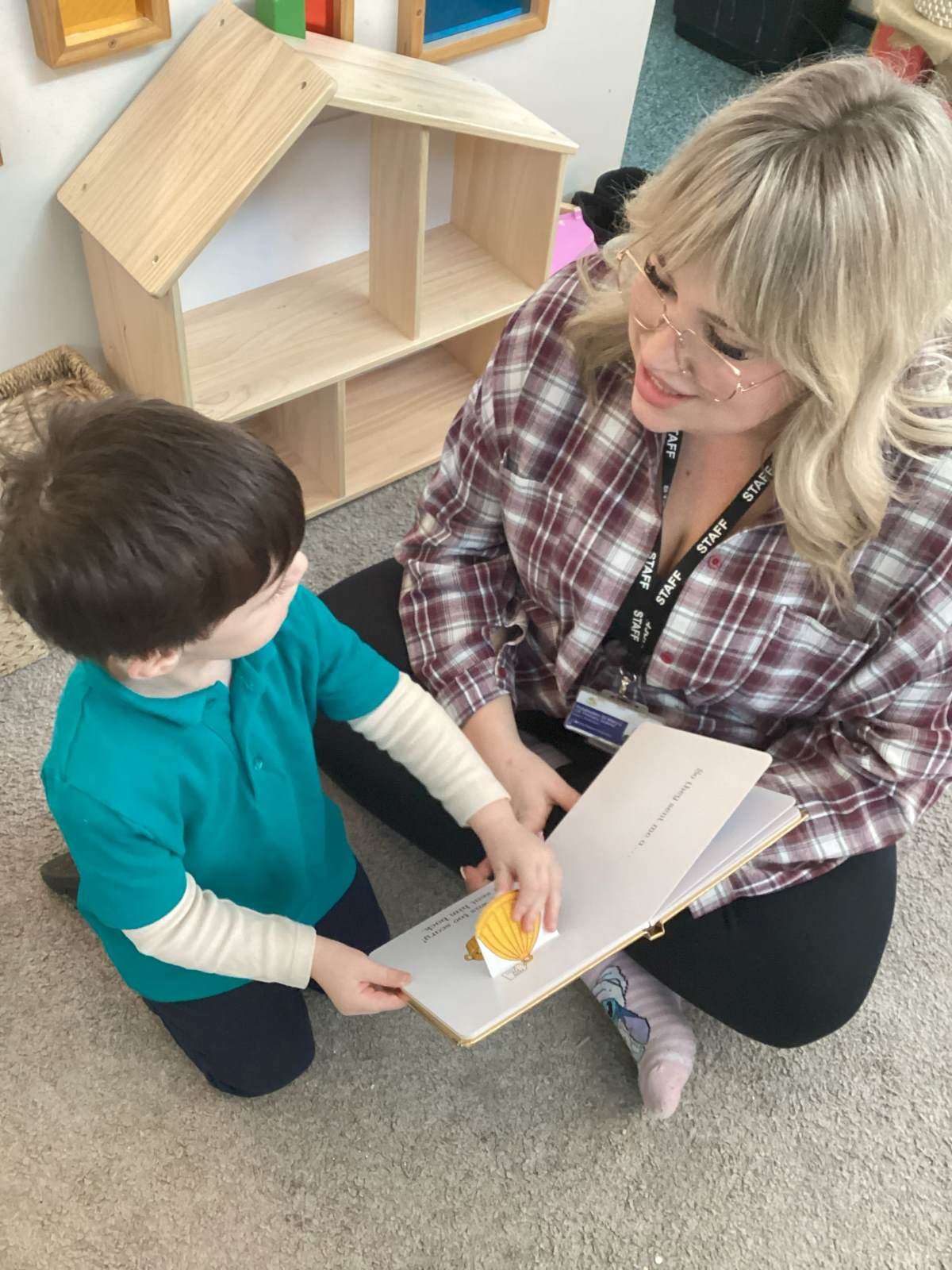
Our focus story this half term was Dear Zoo, which the children thoroughly enjoyed listening to and joining in with it. The repetitive language and familiar structure supported the children's Communication and Language development, encouraging them to anticipate what might happen next and join in with key phrases. We used props and role play to bring the story to life, helping the children talk about the different animals and describe them.
Our nursery ryhme, Down in the Jungle, was a firm favourite and supported both Communication and Language and Expressive Arts and Design. The children loved singing along, using actions, and moving their bodies like different jungle animals. This helped to build their confidence, rhythm, and listening skills.
Listen to our Nursery Ryhme here:
We also provided a range of activities linked to both the story and rhyme, including small world play, animal-themed crafts, and sensory experiences. These opportunities encouraged the children to explore, use their imagination, and develop their understanding of animals in a fun and engaging way.
Mathematics and Understand the World
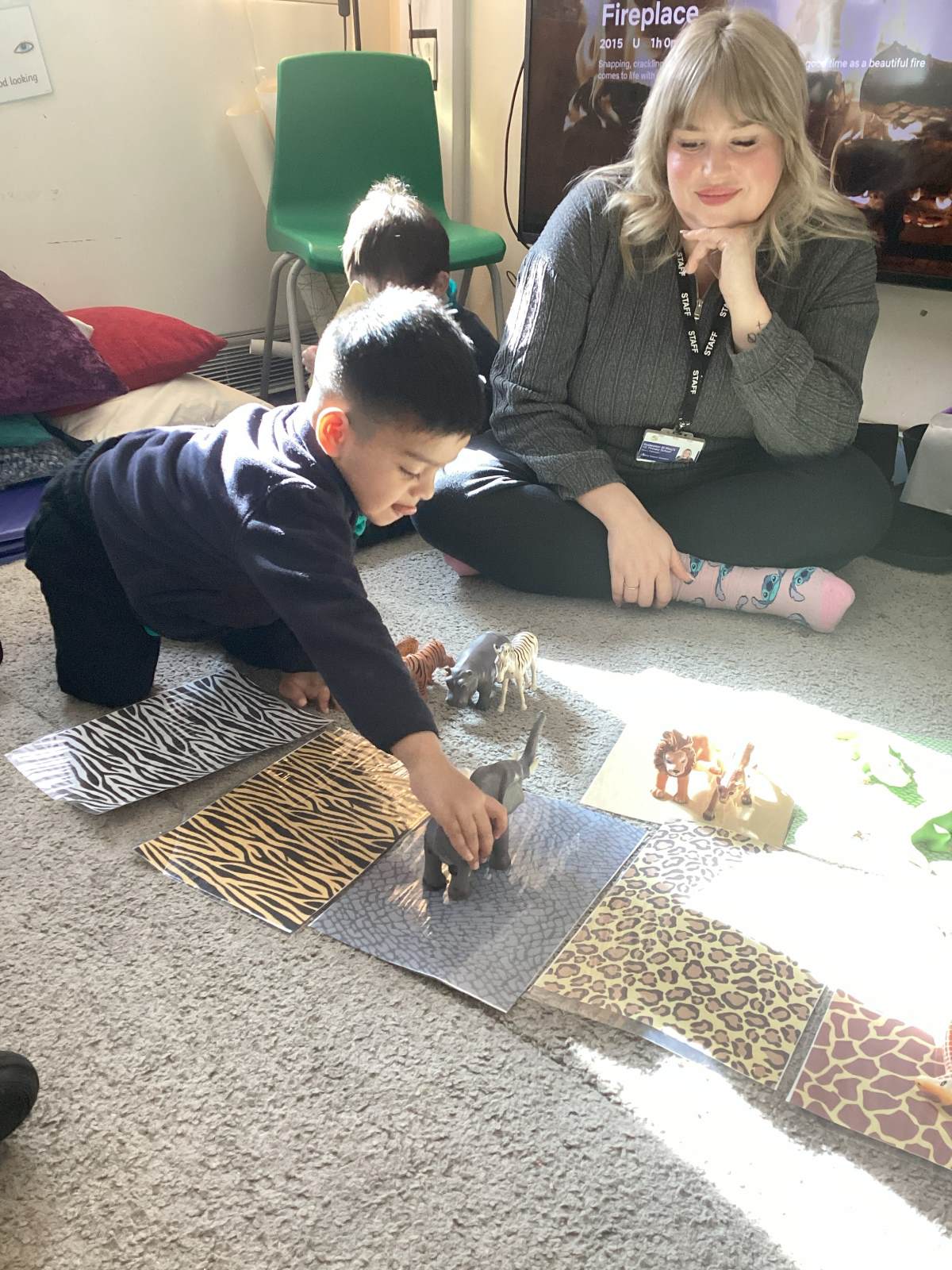
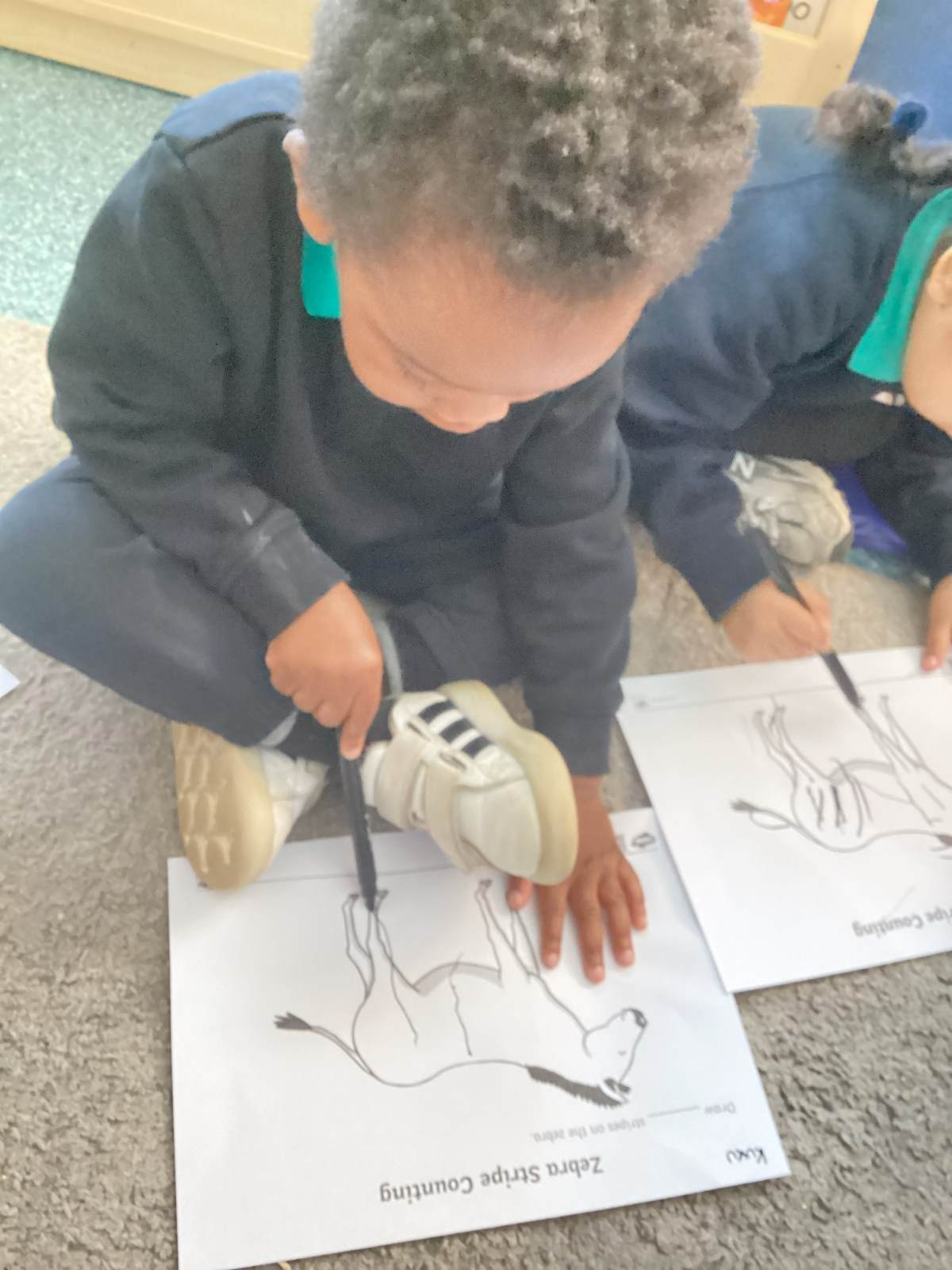
As part of our zoo topic, we explored animal patterns while supporting the children's learning within Mathematics and Understanding the World. The children looked closely at the different patterns on animals and talked about what they could see, noticing spots, stripes, and shapes. Through creative activities such as drawing spots on leopards and giraffes, the children discussed big and small spots, and added stripes to tigers.
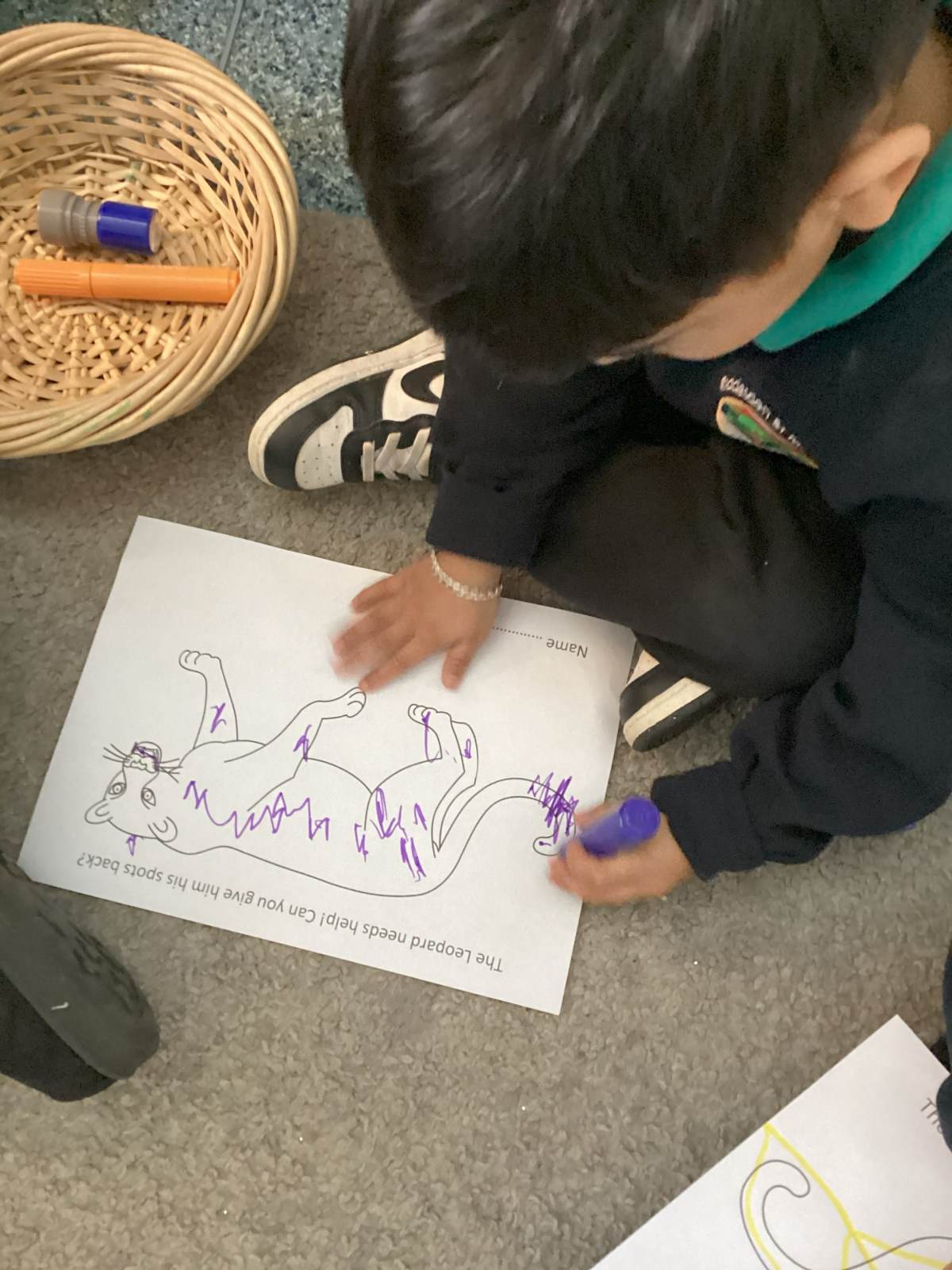
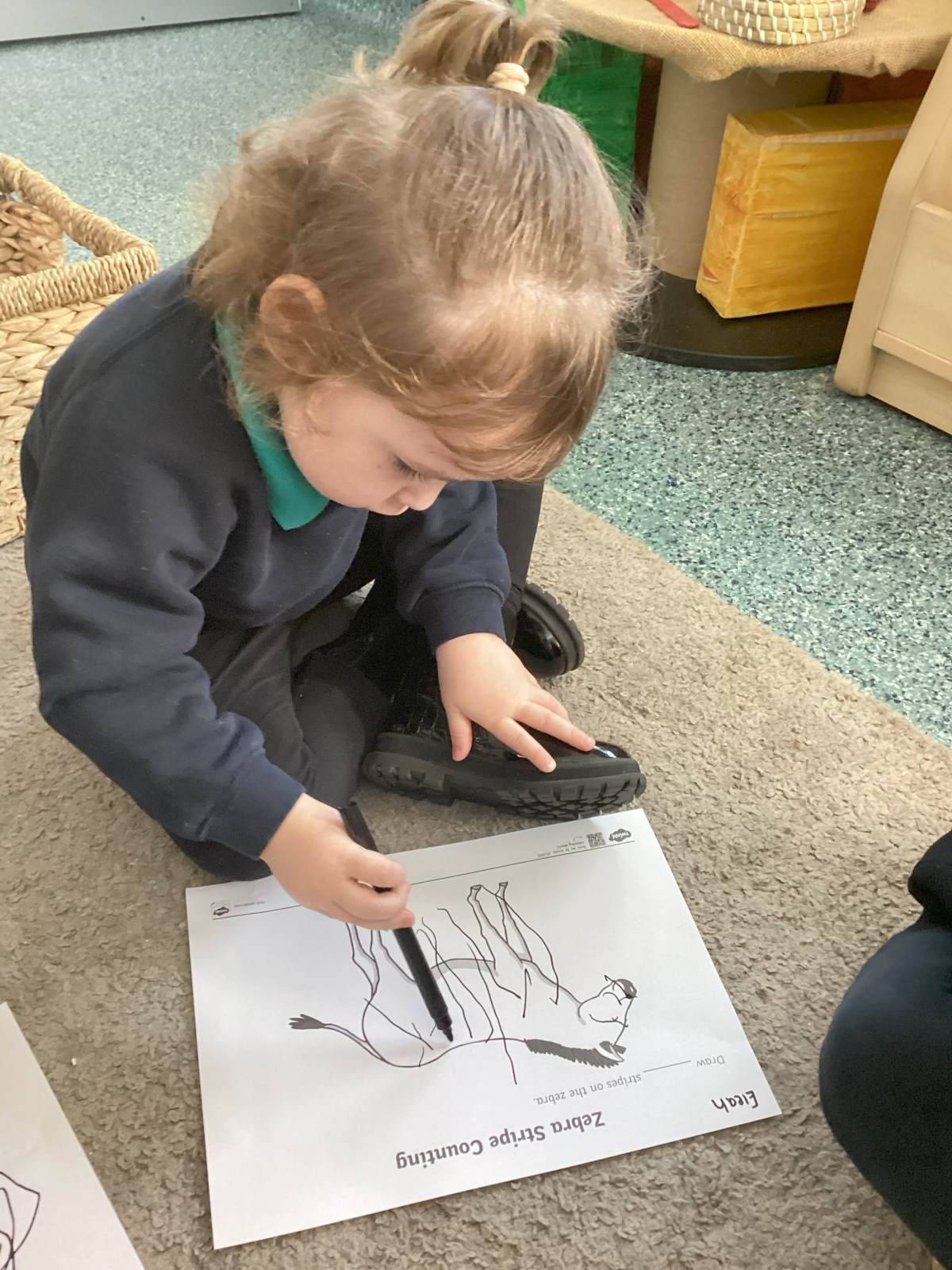
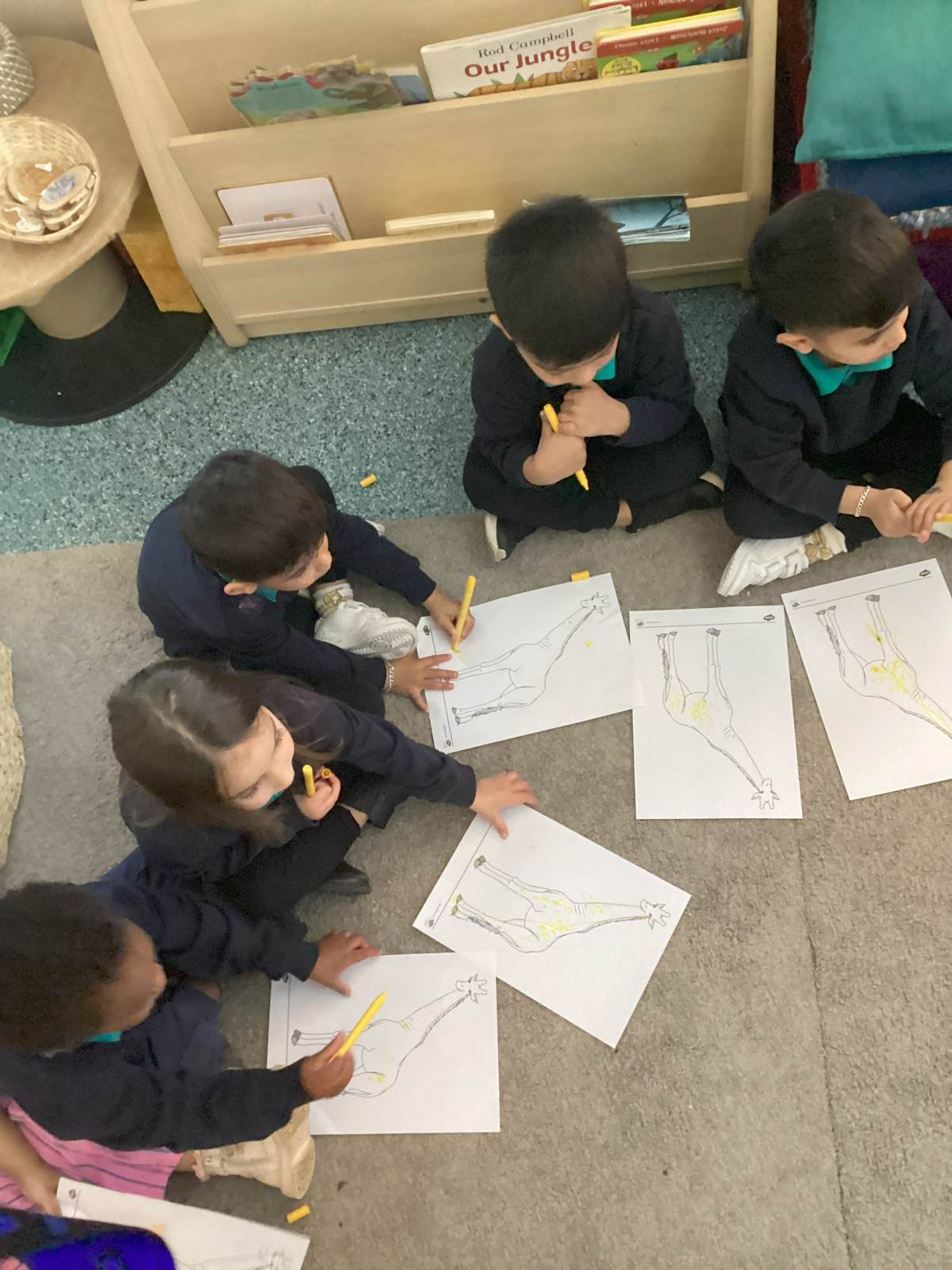
These experiences encouraged the children to recognise and create patterns, compare sizes, and begin using mathematical language such as "big" and "small" and "same". The also developed their curiosity about the natural world, learning that animals have different patterns and features. This hands-on learning supported both their early maths development and their understanding of the world around them.
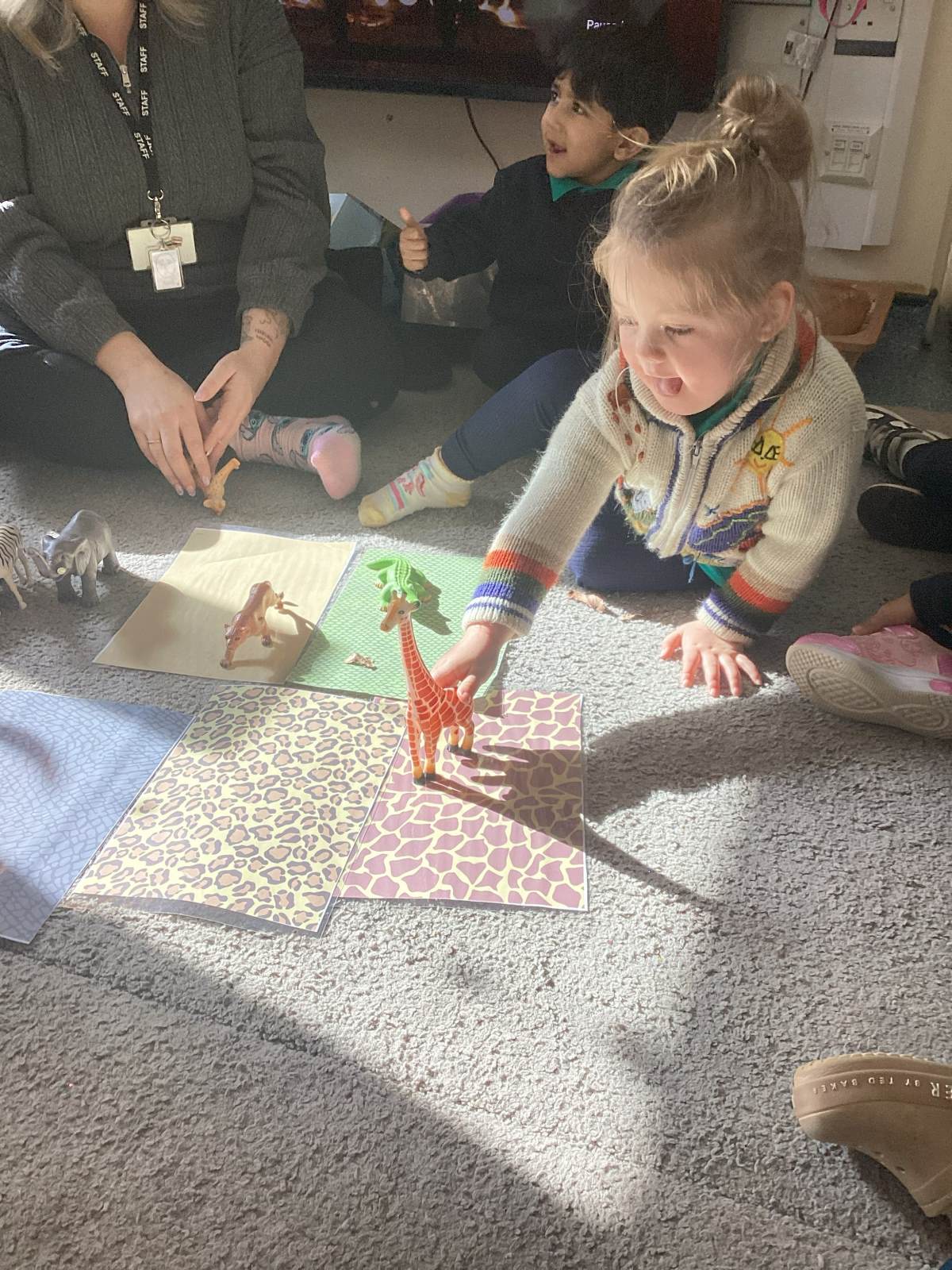
Penny - "Giraffes have big spots!"
Kuku - "Zebra's have stripes"
Zaviyan - "Rhino's have hard grey skin"
Celebrating Ramadan and Eid
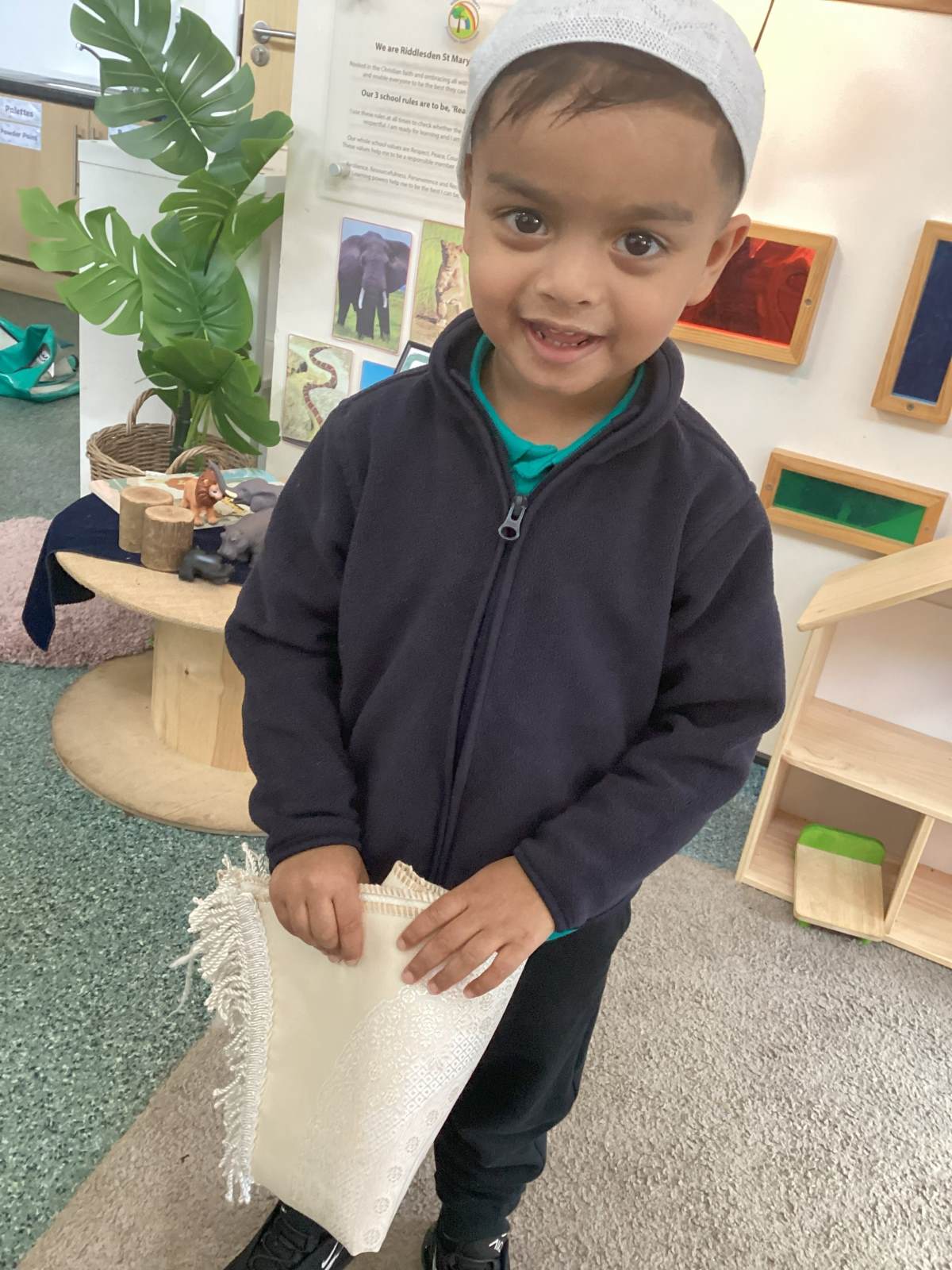
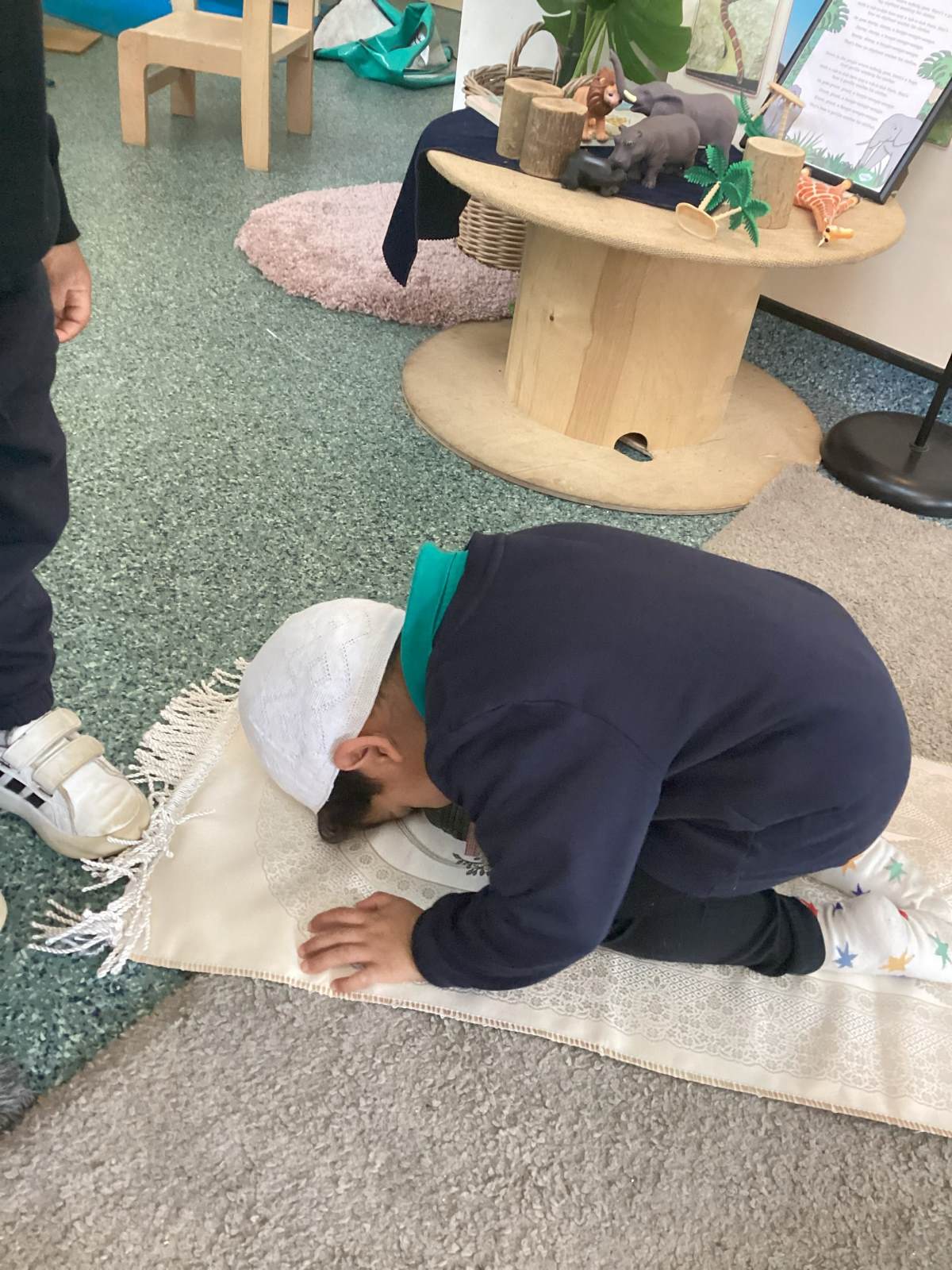
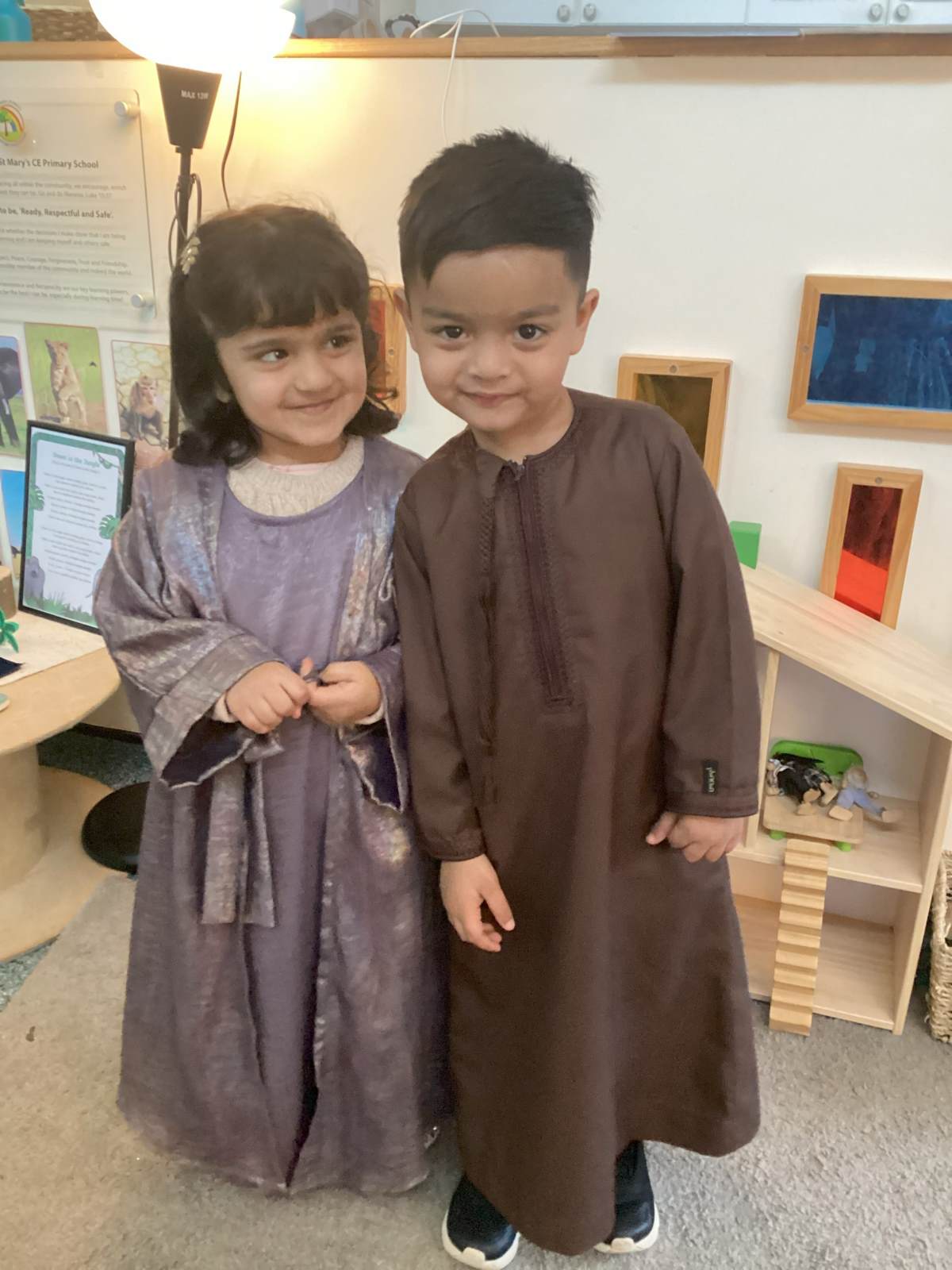
During this special time, our Tadpoles have been learning about Ramadan and Edi through age-appropriate activities, we explored ideas such as kindness, sharing and helping others. The children enjoy listening to simple stories, looking at pictures, and taking part in sensory activities inspired by Eid. We talked about how families come together, show generosity and care for one another.
To celebrate the end of Ramadan, we held a joyful Eid party in our Tadpoles room. Our Tadpoles took part in festive activities including music, dancing and creative play. We also shared special foods and enjoyed decorating the room. It was a wonderful opportunity to celebrate diversity, promote inclusion, and help the children begin to understand and respect different cultures and traditions.
Celebrating World Book Day
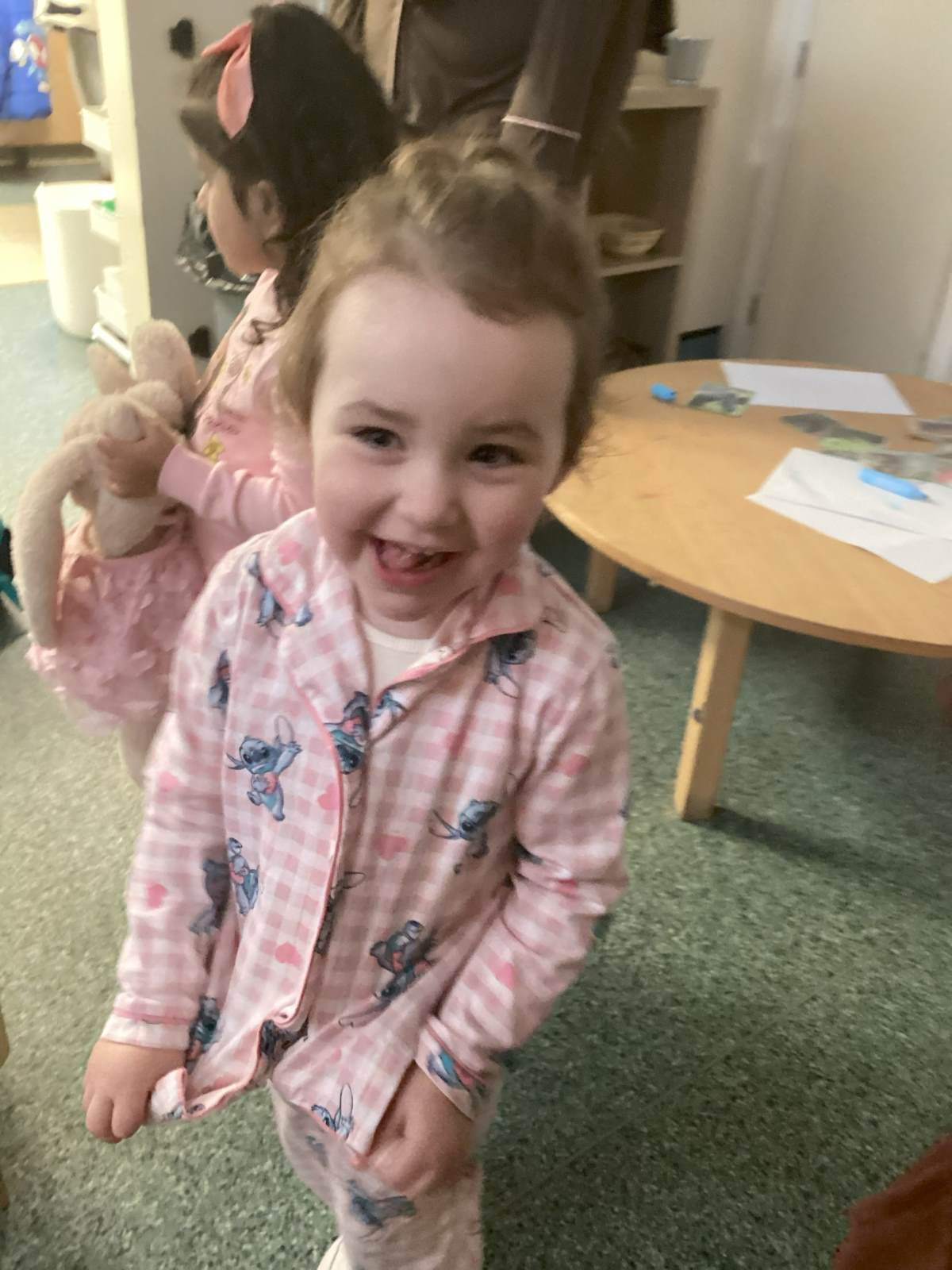
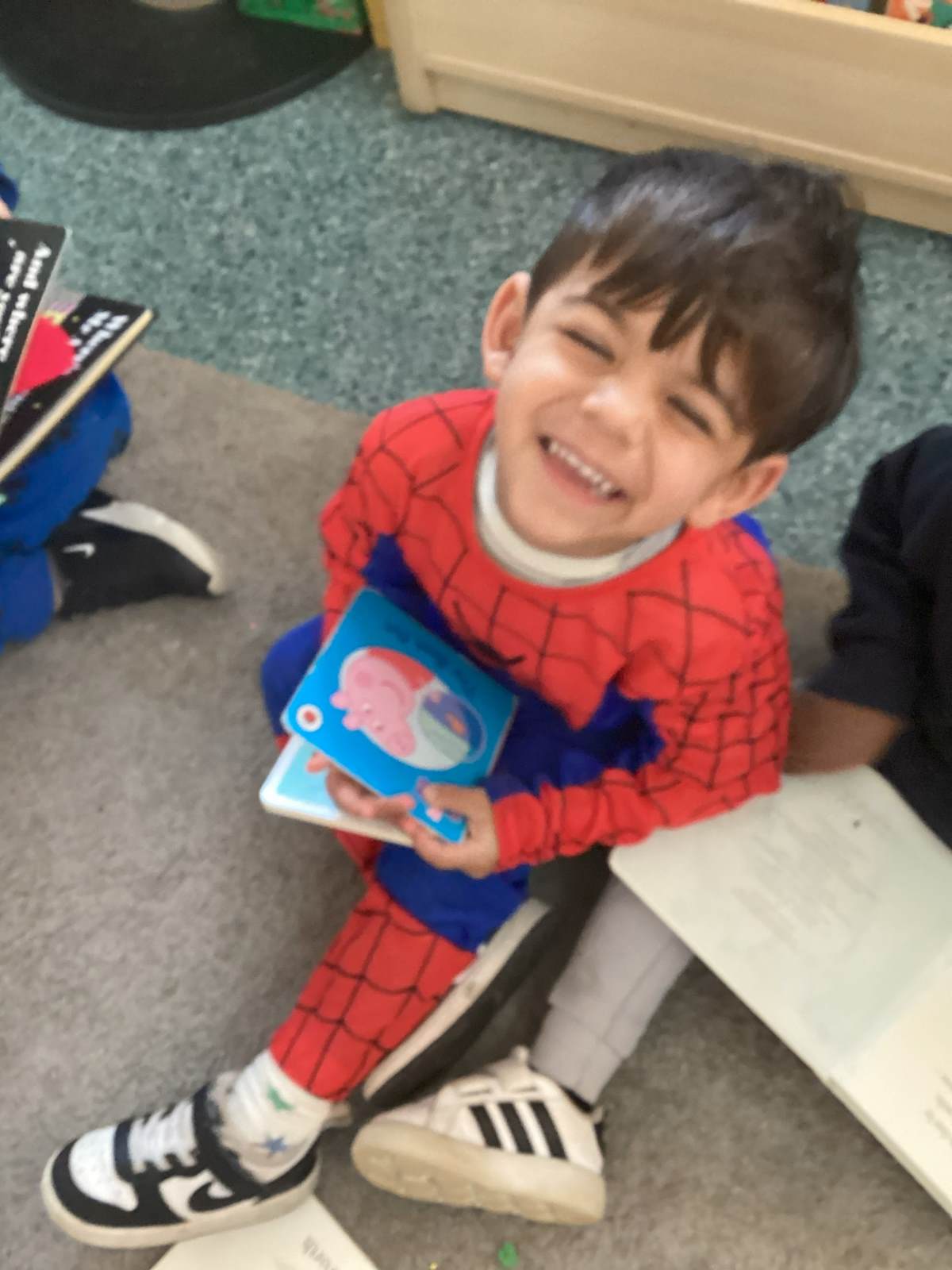
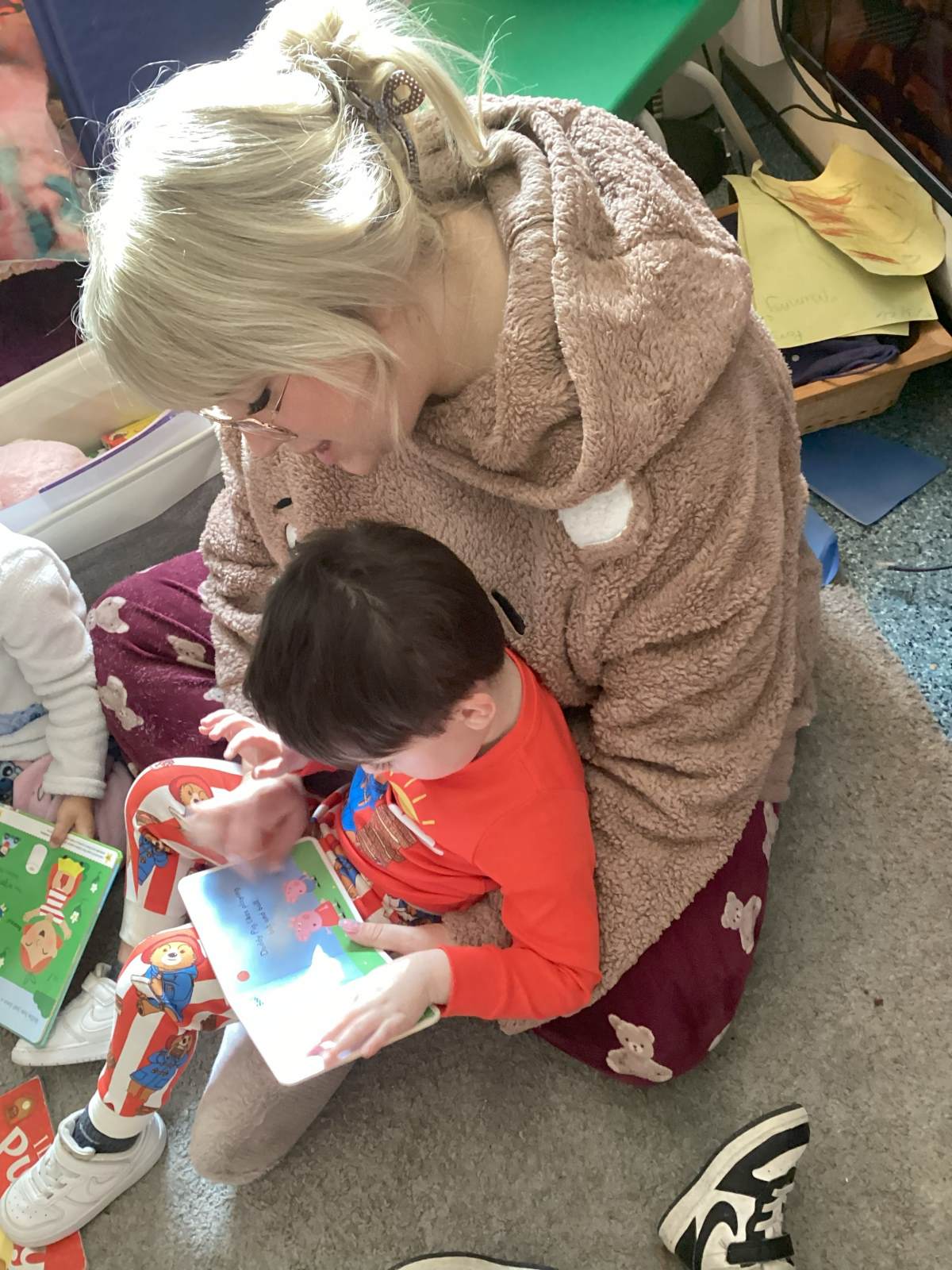
We had a wonderful time celebrating World Book Day in our Tadpoles Class! The day was all about sharing the joy of stories and helping the children develop a love of books from an early age.
The children enjoyed looking at variety of books, exploring colourful pictures, and listening to familiar group times. We used props, puppets, and interactive storytelling to bring the sorties to life and support the childrens engagement and understanding.
Charlotte the Tarantula
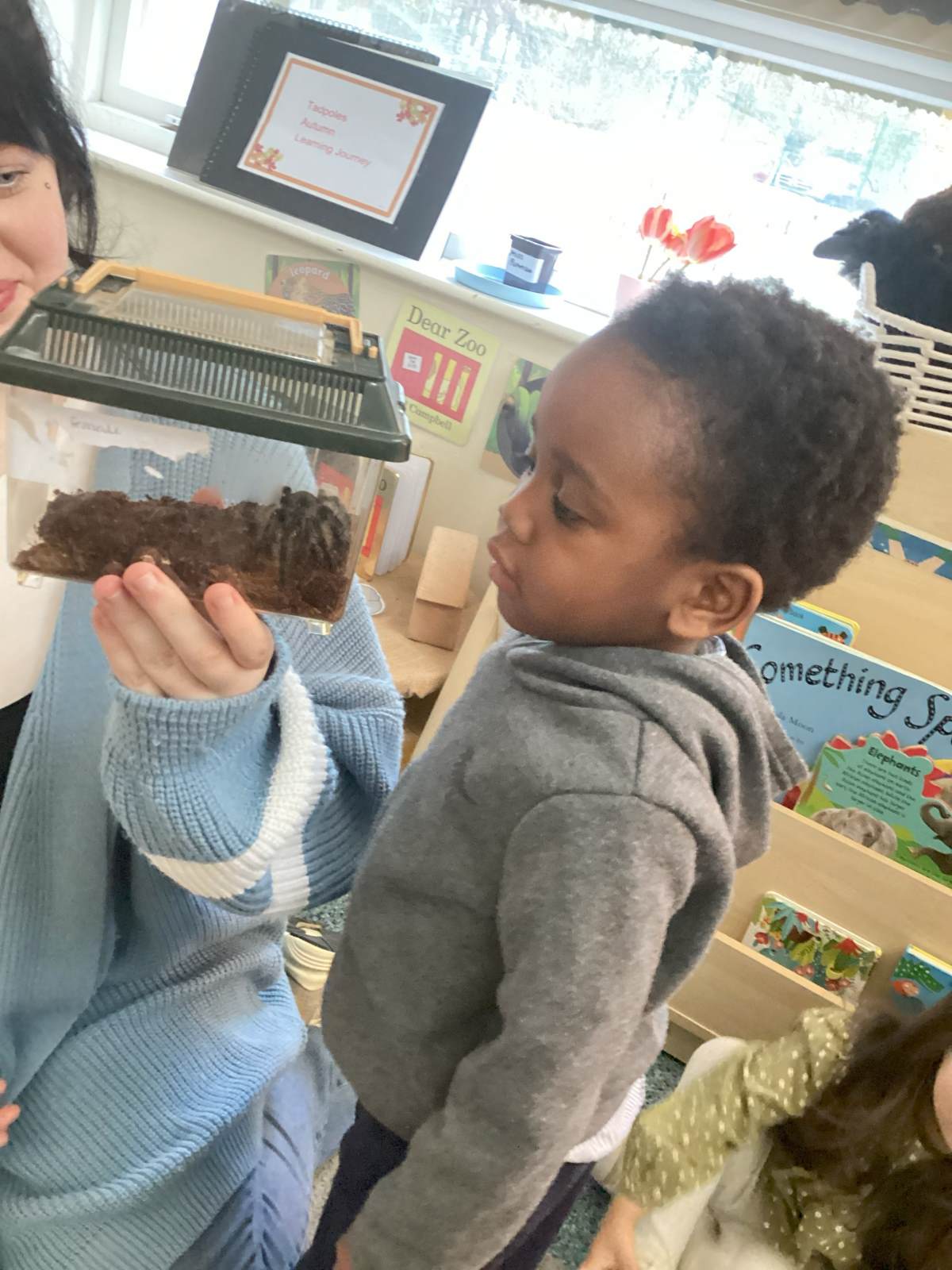
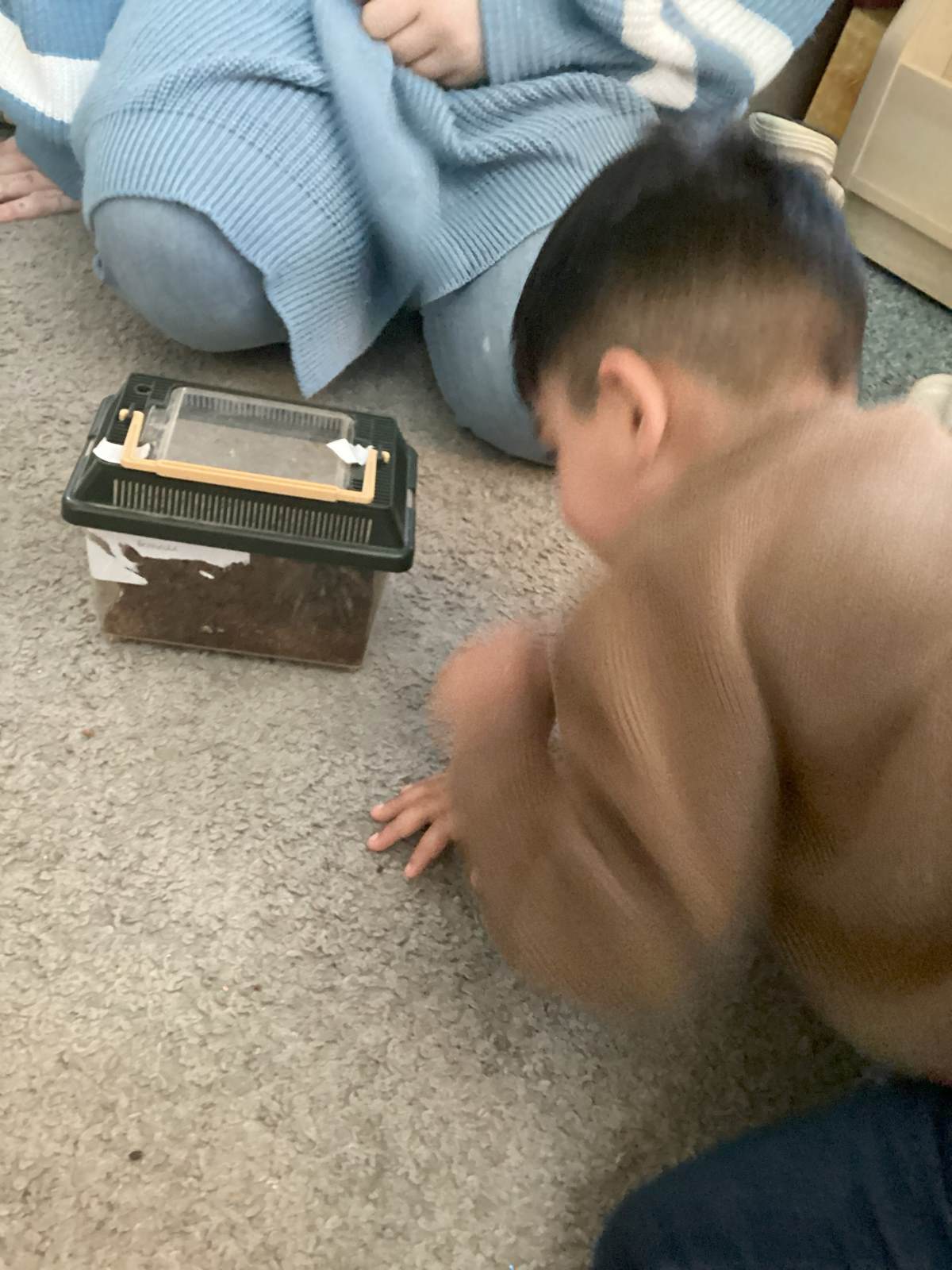
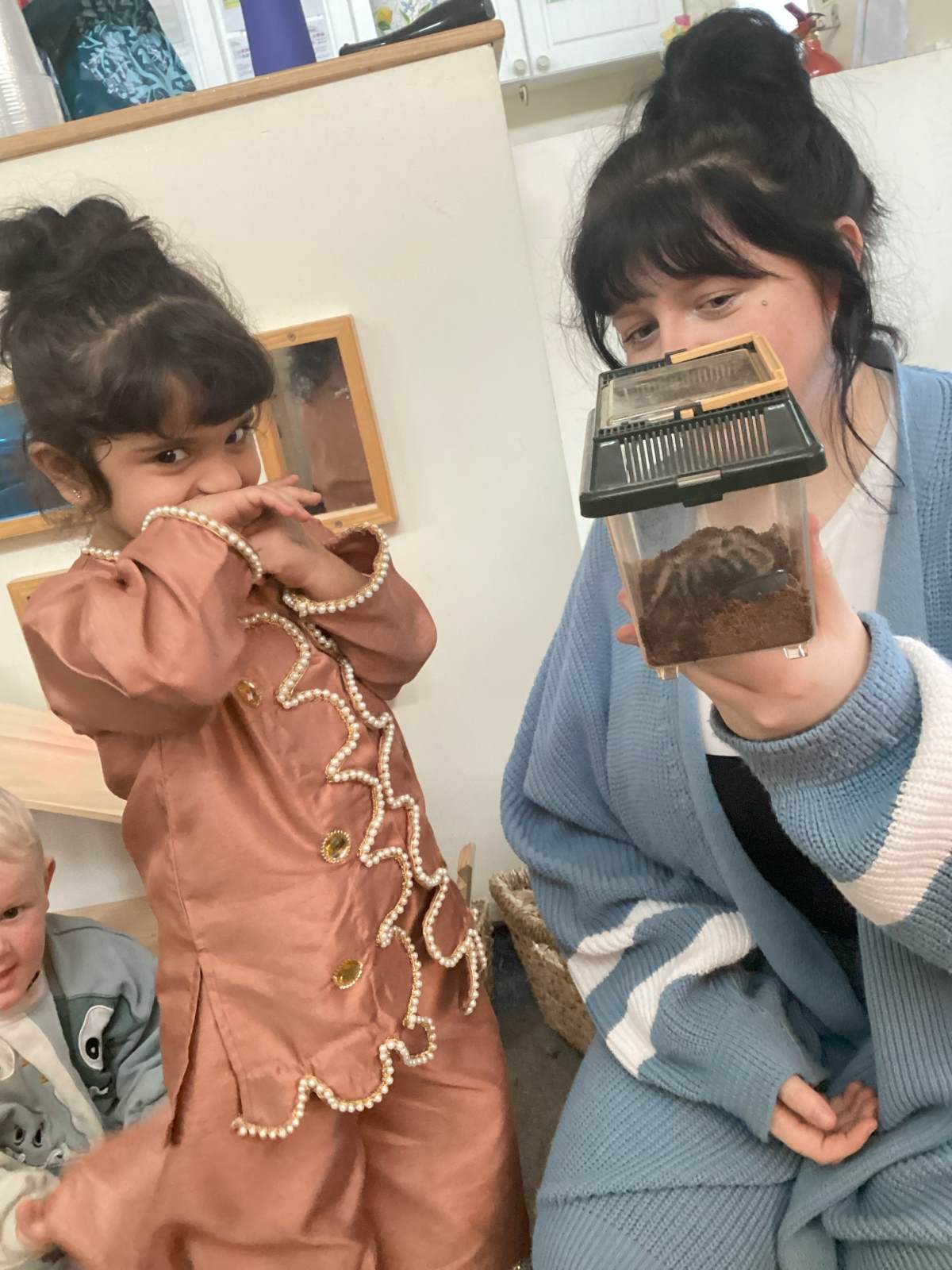
During our Zoo Animals topic, the Tadpoles children had a very exciting visit from Charlotte the Tarantula! The children were fascinated to learn all about her, including what she eats, where she lives, how she moves, and how she protects herself. Although we were not able to hold Charlotte because tarantulas can release tint spikes for protection, the children were very brave and confidently sat next to her cage for photographs.
This wonderful hands-on experience encouraged the children to develop their curiosity and understanding of the world around them!
Save the Polar Bears!
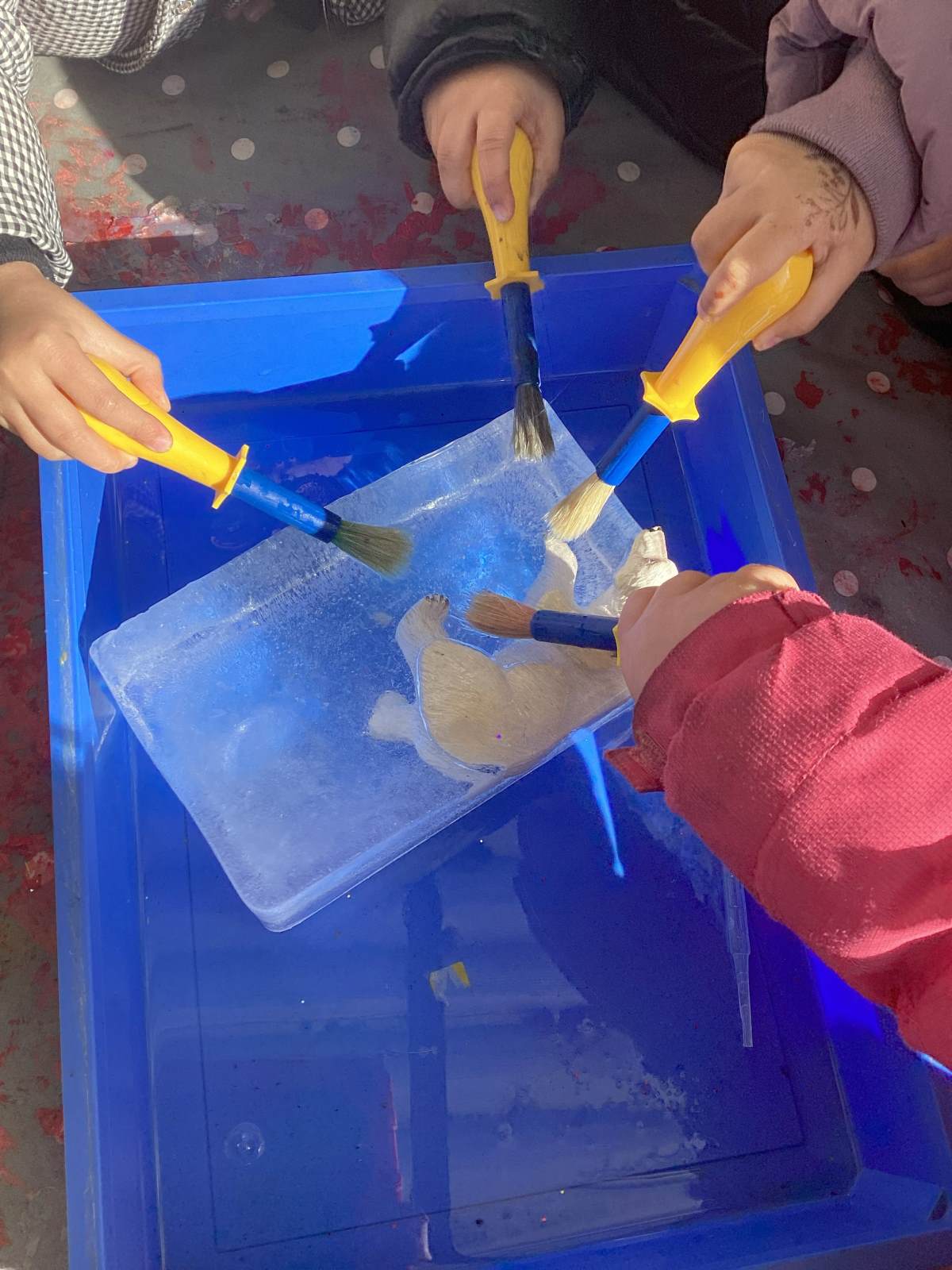
As part pf our learning about animals that live in cold environments, the Tadpoles children explored how Polar Bears and Penguins survive in icy habitats. The children took part in a fun sensory activity where the animals had become trapped in ice and needed help to be rescued! Using warm water and paint brushes, the children carefully melted the ice to free the animals.
This exciting activity encouraged the children to investigate and explore using their senses while developing their fine motor skills through brushing and squeezing the water. The children showed great concentration and problem-solving skills as the worked out how to melt the ice more quickly.
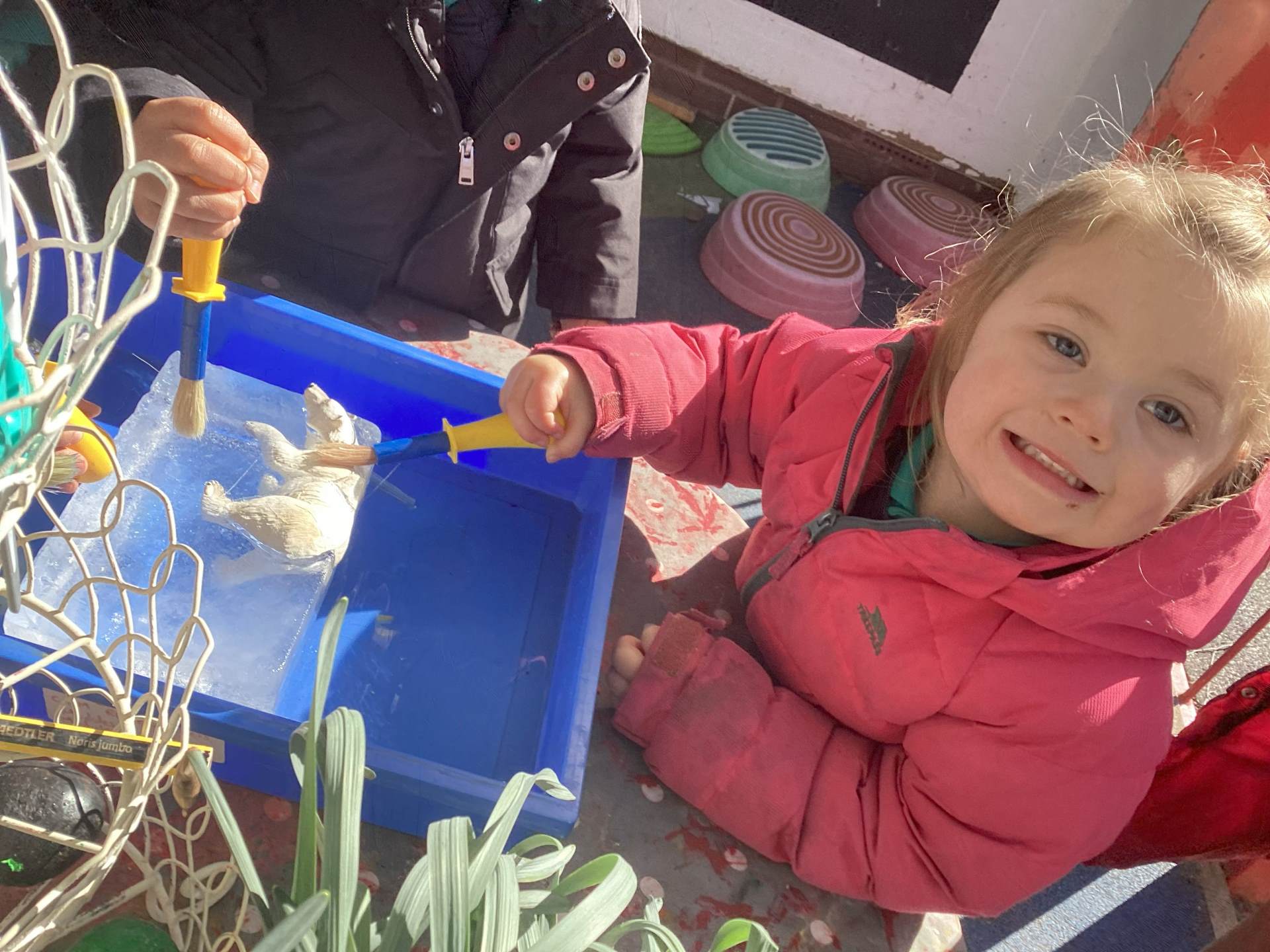
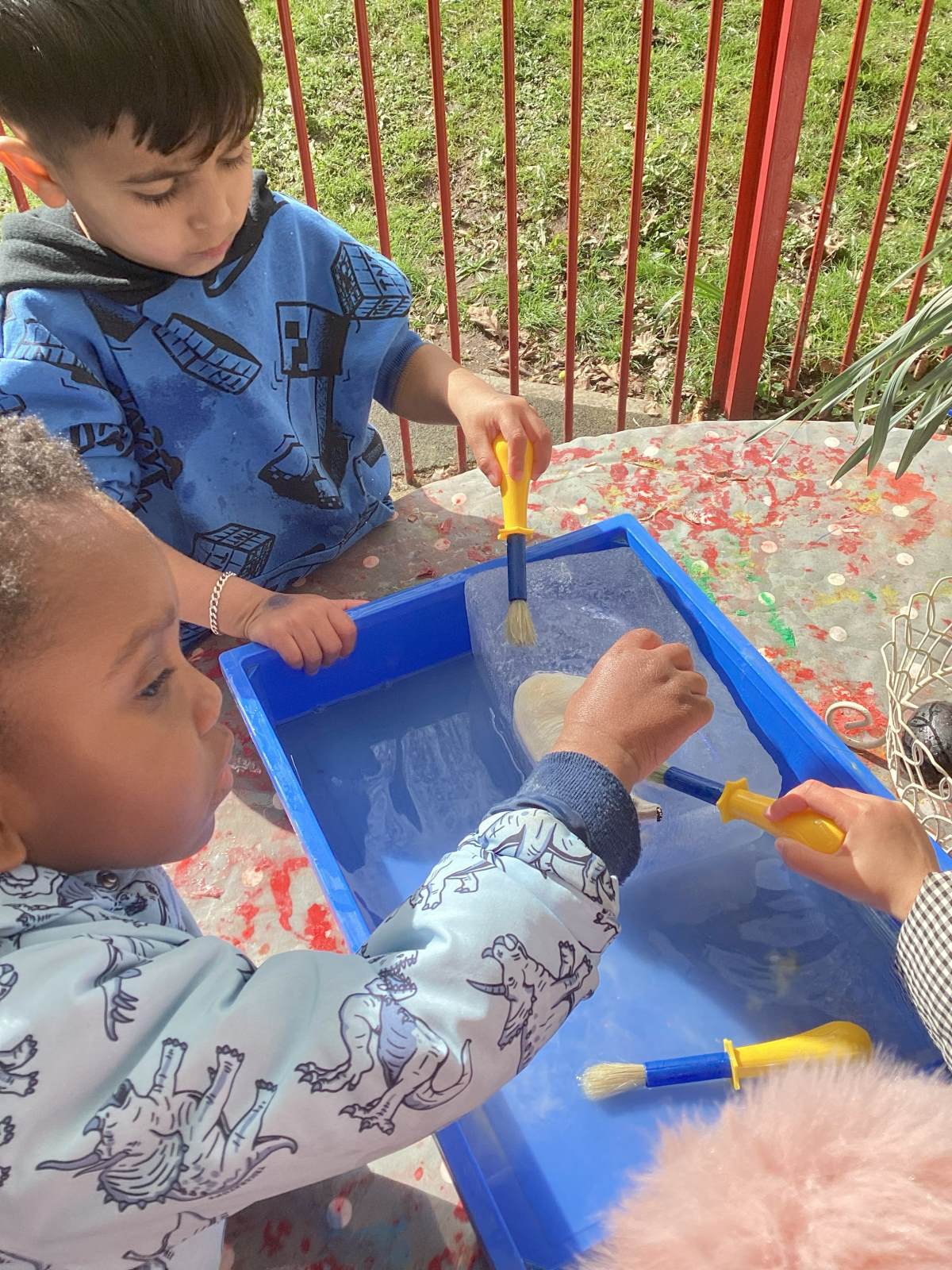
Urwa-Noor - "The ice is very cold!"
Aria - "The ice is melting because the sun is hot!"
Mikhail - "When the ice melts it is wet"